
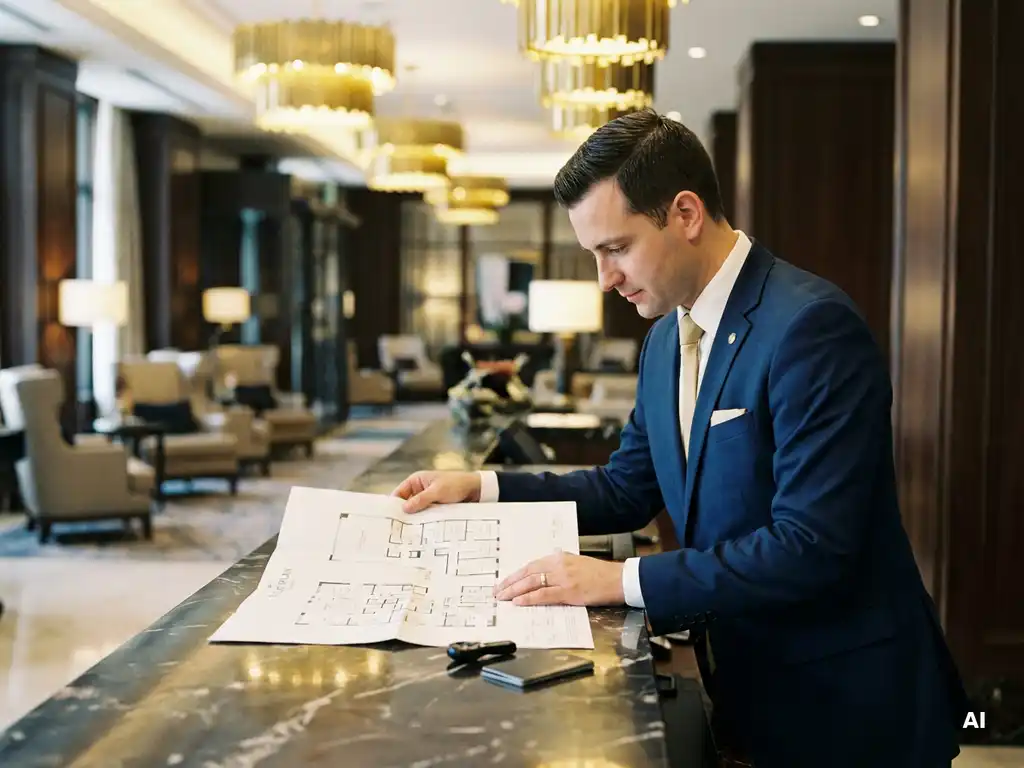
A hotel liaison in event management is a professional who coordinates accommodation logistics between event organizers and hotels, ensuring attendees have access to suitable lodging near the venue. Their core function is managing the relationship between both sides: securing room blocks, negotiating rates, monitoring pickup, and resolving issues before and during the event. The sections below break down each dimension of this role in detail.
What responsibilities does a hotel liaison handle during an event?
A hotel liaison handles the full accommodation workflow for an event, from initial hotel outreach to post-event reporting. Their duties span contract negotiation, room block management, attendee communication, and real-time problem-solving during the event itself. The role sits at the intersection of logistics, relationship management, and guest experience.
In practical terms, the event hotel coordinator is responsible for:
- Identifying and evaluating hotels within a suitable distance from the venue
- Negotiating contracted room blocks and rate agreements with hotel sales teams
- Setting up and maintaining booking links or reservation processes for attendees
- Monitoring pickup rates against contracted minimums to avoid attrition penalties
- Communicating room availability updates to the event team and attendees
- Handling booking modifications, cancellations, and special requests
- Serving as the primary contact for hotel staff during the event
- Producing post-event reports on room nights used and financial performance
The scope of hotel liaison duties scales with event size. For a 500-person conference, one experienced coordinator may manage two or three hotel partners. For a major trade show spanning tens of thousands of attendees, the liaison function often involves a small team coordinating dozens of properties across a city.
How does a hotel liaison negotiate room blocks with hotels?
A hotel liaison negotiates room blocks by presenting the event’s attendee profile, dates, and projected room demand to hotel sales teams, then agreeing on a contracted number of rooms at a set rate. The negotiation balances the hotel’s need for revenue certainty with the organizer’s need for flexible, penalty-free terms if pickup falls short.
Effective hotel room block management during negotiation involves several key considerations:
- Attrition clauses: These define the minimum percentage of the block that must be filled before penalties apply. A skilled liaison negotiates this percentage as low as possible, typically aiming for 80% or below.
- Cut-off dates: The date after which unsold rooms revert to general inventory. Liaisons push for later cut-off dates to give attendees more time to book.
- Rate competitiveness: Negotiated rates should be at or below what attendees would find through public booking channels, otherwise the block loses its appeal.
- Concessions: Complimentary rooms (often one per 40-50 paid rooms), staff room discounts, and waived resort fees are standard asks.
The liaison’s leverage comes from the quality of demand they represent. Hotels value event-driven bookings because they fill predictable dates, often midweek, with a concentrated group of guests. A liaison who can demonstrate historical pickup data from previous events is in a significantly stronger negotiating position.
What’s the difference between a hotel liaison and an event housing bureau?
A hotel liaison is typically an individual or in-house staff member who manages hotel relationships for a single event or organization, while an event housing bureau is a specialized agency or platform that manages accommodation across multiple events and hotel partners at scale. The key difference is scope and infrastructure.
A hotel liaison embedded within an event team operates with deep knowledge of that specific event’s audience and needs. They build direct relationships with a handful of hotel contacts and manage those partnerships personally. This works well for recurring events with established hotel relationships.
An event housing bureau, by contrast, brings a broader network, established contracts with many properties, and dedicated technology for tracking room pickup, processing bookings, and generating reports. They typically serve as an outsourced function for events that lack internal accommodation management capacity or that require coordination across many hotels simultaneously.
For event organizers evaluating which model fits their needs, the relevant questions are volume, frequency, and internal resource availability. A single annual conference with two hotel partners is a strong fit for a liaison. A multi-venue trade show with 20,000 attendees across a city is a stronger fit for a bureau or a dedicated event hotel platform.
Why do room blocks go unfilled and how does a hotel liaison prevent it?
Room blocks go unfilled primarily because attendees find cheaper rates through OTAs, are unaware the block exists, or encounter friction in the booking process. A hotel liaison prevents this by actively promoting the block, simplifying access, and monitoring pickup in real time to intervene before attrition deadlines.
The most common reasons room blocks underperform include:
- Booking links buried in registration confirmation emails rather than prominently featured on the event website
- Public hotel rates appearing lower than the negotiated block rate due to OTA discounts or promotional pricing
- Attendees booking accommodation weeks before registration opens, before the block is communicated
- Complicated reservation processes that require phone calls or manual form submissions
- No reminder communications as the cut-off date approaches
A proactive hotel liaison addresses each of these. They ensure booking links are embedded directly in registration workflows, verify that negotiated rates remain competitive, send targeted reminders as the cut-off approaches, and track pickup weekly so they can escalate promotion if numbers lag. When pickup stalls, they may work with the hotel to release a portion of the block early rather than risk attrition penalties on rooms that will not fill.
When should an event organizer hire a dedicated hotel liaison?
An event organizer should hire a dedicated hotel liaison when their event involves 500 or more attendees, requires coordination with more than one hotel, or when accommodation logistics are consuming significant time from the core event planning team. Below that threshold, a generalist event manager can typically handle hotel coordination alongside other responsibilities.
Several signals indicate the need for a dedicated role or outsourced function:
- The event spans multiple days and attendees need overnight accommodation
- The organizer has faced attrition penalties or unfilled blocks in previous years
- Hotel coordination is creating delays or errors in other planning workstreams
- Attendee complaints about accommodation access or booking difficulty are recurring
- The event is growing year-on-year and hotel demand is outpacing current management capacity
For smaller or infrequent events, the more practical alternative to a full-time hire is a technology platform that automates the accommodation management workflow. Event accommodation management tools have matured significantly, and many of the tasks that once required a dedicated person can now be handled through integrated booking engines and automated communications.
How is hotel liaison work changing with event technology platforms?
Hotel liaison work is shifting from manual coordination toward platform-assisted management, where technology handles booking processing, real-time inventory tracking, and attendee communication automatically. This reduces the administrative burden on human coordinators and allows them to focus on strategy, negotiation, and exception handling rather than routine logistics.
In 2026, the most significant changes in event hotel coordination include:
- Embedded booking engines: Rather than directing attendees to a separate hotel website, booking tools now integrate directly into event registration pages, capturing demand at the moment of highest intent.
- Live inventory visibility: Both event teams and hotel partners can see real-time room pickup data, eliminating the need for manual reporting and email chains to check availability.
- Automated attendee communication: Booking confirmations, modification options, and pre-arrival reminders are handled automatically, reducing the volume of inbound queries the liaison team must manage.
- Distance-based hotel display: Technology that calculates actual walking or travel distance from accommodations to the venue helps attendees make informed decisions, improving block uptake for well-located properties.
- Commission-based models replacing flat fees: Platforms that earn revenue through booking commissions rather than upfront fees have lowered the barrier for event organizers to access professional accommodation management.
The hotel liaison role is not disappearing, but it is evolving. The coordinators who thrive are those who use technology to scale their capacity rather than resist it. A liaison managing five hotel partners manually in 2020 can now oversee twenty with the right platform infrastructure supporting them.
How EventHost supports event hotel coordination
EventHost is built to handle the core functions of hotel liaison work automatically, so event organizers and hotels can focus on what they do best rather than managing accommodation logistics manually. Our platform connects hotels directly to qualified, event-driven demand through a white-labeled booking engine embedded in official event pages.
Here is what we manage on behalf of our partners:
- Hotel network access: Hotels join our partner network at no cost and allocate inventory to specific events on their own terms, with full control over pricing, availability, and cancellation policies
- Live room block management: Bookings sync in real time, with alerts at predefined thresholds so hotels always know where pickup stands
- Attendee booking and support: We handle all guest inquiries, booking modifications, and customer service so neither the event team nor the hotel needs to manage inbound requests
- Payment processing and payouts: We process all transactions and transfer earnings directly to hotel partners after each event concludes
- Performance reporting: Event organizers receive detailed post-event summaries with booking data and commission earned; hotels receive complete visibility into room pickup and revenue
If you are a hotel looking to capture event-driven demand without the cost or complexity of traditional OTA channels, or an event organizer seeking a managed accommodation solution with zero setup fees, explore how EventHost works and get started at no cost.