
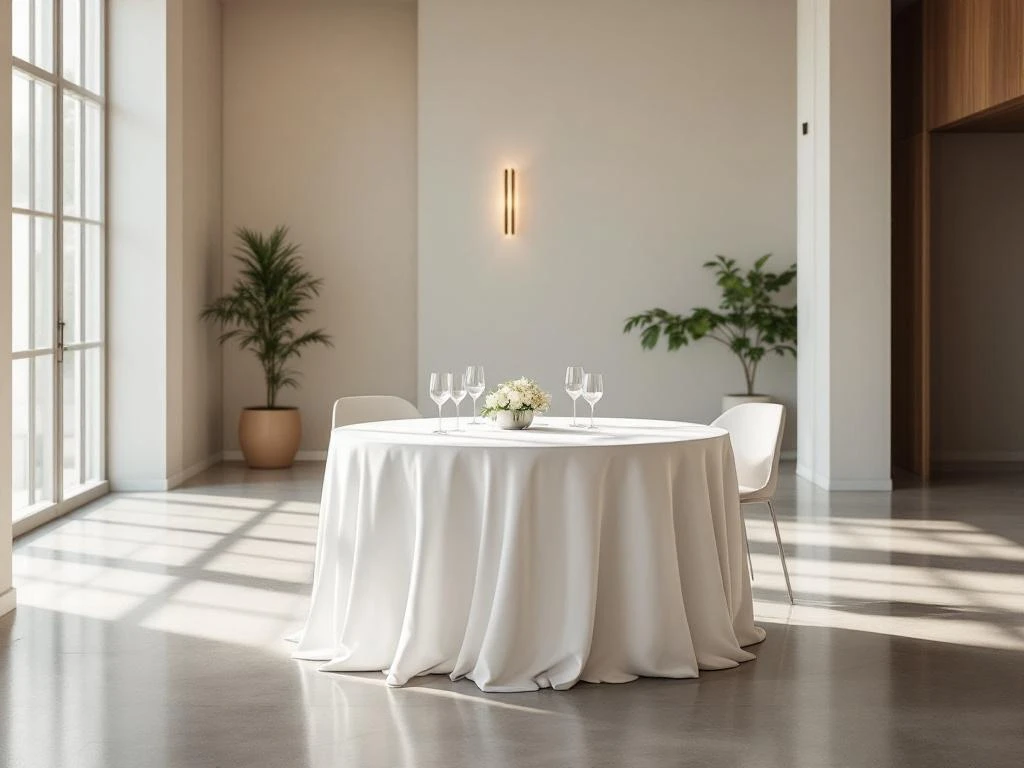
Creating memorable event experiences separates good events from truly transformative ones. When attendees walk away from your event, you want them talking about it for months, not forgetting it by the following week. The difference between forgettable and unforgettable lies in understanding what truly resonates with people and designing every element around those insights.
Successful event planning goes beyond logistics and schedules. It requires a deep understanding of human psychology, attendee expectations, and the art of creating moments that stick. Whether you’re organising a corporate conference, trade show, or professional gathering, the principles of memorable event experiences remain consistent across all formats.
This guide explores the psychological foundations of memorable events, practical strategies for attendee-centred design, and actionable approaches to creating experiences that deliver lasting impact.
What makes an event truly memorable for attendees
Memory formation happens when events trigger multiple senses and emotions simultaneously. Memorable event experiences tap into this psychological reality by creating moments that engage attendees on both rational and emotional levels.
The human brain prioritises memories that involve surprise, strong emotions, or personal relevance. This explains why attendees remember unexpected keynote moments, meaningful conversations with peers, or unique venue experiences long after they’ve forgotten standard presentation content. Your event design should intentionally create these memory-forming moments.
Sensory engagement plays a crucial role in memory formation. Events that incorporate distinctive sounds, visual elements, textures, or even scents create stronger neural pathways than those relying solely on auditory information. Consider how lighting changes, music transitions, or tactile materials can enhance your attendee experience design.
Personal connections form the strongest event memories. Attendees remember conversations, networking breakthroughs, and collaborative moments more vividly than passive consumption of information. This insight should influence how you structure interactive elements and social opportunities throughout your programme.
Design your event around attendee needs and expectations
Understanding your audience forms the foundation of creating memorable events. Pre-event surveys reveal attendee motivations, preferred learning styles, networking goals, and logistical preferences. This data enables you to align every event element with participant expectations.
Attendee journey mapping helps identify critical touchpoints where memorable moments can occur. Map the complete experience from registration through post-event follow-up, noting opportunities for positive surprises, connection facilitation, and friction removal. Each touchpoint represents a chance to exceed expectations.
Different attendee segments require different approaches to engagement. First-time attendees need orientation and welcome experiences, whilst returning participants seek advanced content and deeper networking opportunities. Event management systems should track attendee history to enable personalised experiences.
Goal alignment ensures your event delivers value that matches attendee investments of time and money. Business professionals attend events to learn, network, discover solutions, or advance careers. Design your programme architecture around these core motivations rather than organisational convenience.
Create seamless logistics that enhance rather than hinder
Friction in event logistics destroys memorable moments before they can form. Registration processes, venue navigation, accommodation booking, and technology integration should feel effortless to attendees. When logistics work smoothly, attendees can focus on content and connections.
Registration and check-in represent first impressions that set expectations for the entire event. Mobile-friendly registration, clear communication, and efficient on-site processes create positive momentum. Consider offering multiple check-in options to accommodate different arrival patterns and preferences.
Venue navigation significantly impacts attendee satisfaction, particularly for large or complex locations. Clear signage, mobile apps with interactive maps, and strategic volunteer placement help attendees move confidently between sessions. Lost attendees miss content and networking opportunities.
Accommodation logistics often create the most attendee stress, especially for multi-day events in unfamiliar cities. Successful events provide clear accommodation guidance, proximity information, and booking support. When attendees can easily find convenient lodging, they arrive more relaxed and engaged.
Technology integration should enhance rather than complicate the attendee experience. Event apps, networking platforms, and presentation systems need intuitive interfaces and reliable performance. Technical difficulties during presentations or networking sessions create negative memories that overshadow positive content.
Build meaningful connections through interactive experiences
Human connections form the heart of memorable event experiences. Passive presentation formats limit interaction, whilst collaborative activities and structured networking create opportunities for meaningful exchanges between attendees.
Structured networking activities work better than unguided social time for most professional events. Speed networking, topic-based discussion groups, and collaborative workshops provide frameworks for conversation whilst accommodating different personality types and networking comfort levels.
Interactive presentation formats increase engagement and retention compared to traditional lecture styles. Panel discussions with audience Q&A, workshop sessions with hands-on activities, and case study analyses with group problem-solving create more memorable learning experiences.
Gamification elements can enhance attendee engagement when implemented thoughtfully. Digital scavenger hunts, networking challenges, or knowledge competitions add playful elements that encourage exploration and interaction. However, gamification should support rather than replace genuine networking and learning objectives.
Physical space design influences interaction patterns significantly. Round tables encourage discussion, whilst theatre-style seating promotes passive listening. Lounge areas with comfortable seating facilitate informal conversations, and standing reception spaces create energy and movement. Match your space configuration to your interaction goals.
How EventHost helps create memorable event experiences
We understand that accommodation logistics can make or break attendee satisfaction. When event participants struggle with hotel booking, travel distances, or lodging costs, these frustrations overshadow even the best-planned programme content.
Our white-label hotel booking platform removes accommodation friction that typically burdens both organisers and attendees. Here’s how we enhance your event experience design:
- Proximity-based hotel display using live map technology that shows real walking distances from accommodations to your venue
- Embedded booking integration that maintains your event branding whilst providing access to 2.7 million hotels worldwide
- Commission revenue generation that creates additional budget for memorable experience elements
- Complete service management handling all customer enquiries, modifications, and support
- Zero implementation costs with full technical integration and ongoing platform maintenance
When accommodation booking becomes effortless for your attendees, they arrive at your event more relaxed and ready to engage. The additional revenue stream we generate allows you to invest more in the interactive experiences and memorable moments that create lasting impact. Discover how EventHost transforms event accommodation logistics whilst enhancing your attendee experience.