
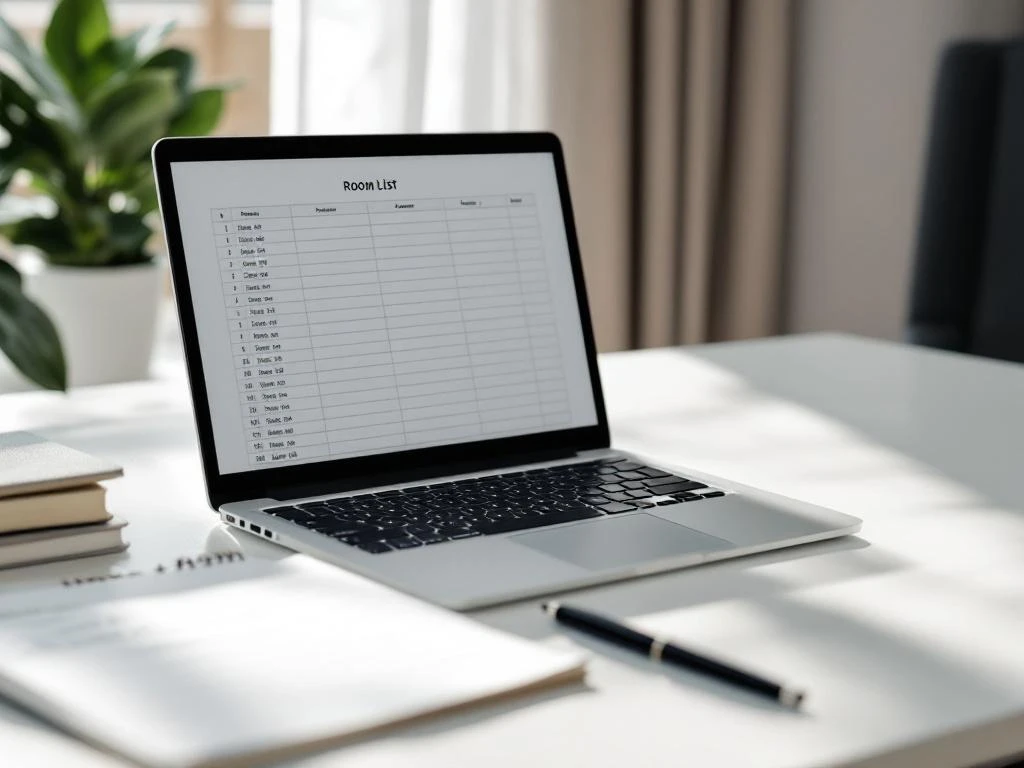
A rooming list is a document that consolidates guest accommodation details for group hotel bookings, typically used for events, conferences, and large gatherings. You need one when coordinating hotel stays for multiple attendees, especially for events with 10+ guests requiring group rates or room blocks. This guide covers when rooming lists are necessary, what information they contain, and how to manage them effectively.
What exactly is a rooming list and how does it work?
A rooming list is a comprehensive document that contains guest information and room preferences for group hotel reservations. It serves as the primary communication tool between event organizers and hotels, ensuring all attendees receive appropriate accommodation arrangements according to their specific needs and arrival schedules.
The rooming list functions as a master reference that hotels use to prepare rooms, assign guests, and manage check-ins efficiently. When you submit a rooming list to a hotel, its reservations team uses it to create individual bookings under your group block, apply negotiated rates, and prepare welcome materials or special arrangements.
Hotels rely on rooming lists to forecast occupancy, allocate room types, and coordinate services such as airport transfers or special dietary requirements. The document becomes particularly important for event hotel booking scenarios where multiple guests arrive simultaneously and require coordinated service delivery.
When do you actually need a rooming list for your event?
You need a rooming list when booking 10 or more rooms for an event, conference, or group gathering. Most hotels require rooming lists for group reservations that qualify for negotiated rates, room blocks, or special event pricing. The threshold varies by property, but group bookings typically start at 10–15 rooms per night.
Specific situations that require rooming lists include:
- Corporate conferences with attendee accommodation needs
- Wedding parties requiring multiple rooms over several nights
- Sports tournaments with team and family lodging
- Training events where participants need guaranteed availability
- Trade shows with exhibitor and attendee housing requirements
You also need rooming lists when negotiating group hotel reservations with special terms such as complimentary rooms, upgraded amenities, or flexible cancellation policies. Hotels use these lists to honor contracted rates and ensure proper billing for your event.
What information goes into a proper rooming list?
A complete rooming list includes guest names, arrival and departure dates, room preferences, special requests, and contact information. Hotels need this data to create accurate reservations and provide appropriate service levels for each guest in your group booking.
Essential information for effective rooming lists includes:
- Guest details: Full names (as they appear on identification), company affiliations, and direct contact numbers
- Stay information: Check-in and check-out dates, number of nights, and any early arrival or late departure needs
- Room preferences: Single or double occupancy, bed types, smoking preferences, and accessibility requirements
- Special requests: Dietary restrictions, transportation needs, room location preferences, or celebration acknowledgments
- Billing arrangements: Individual payment, company billing, or master account charges for each guest
Include backup contact information and any VIP designations that require special handling. Hotels use this information for event accommodation management and to ensure smooth operations during your event dates.
How do you create and manage a rooming list effectively?
Start collecting rooming list information 6–8 weeks before your event to allow adequate time for hotel processing and guest communication. Create a standardized form that captures all required information and establishes clear deadlines for guest responses and final submissions to the hotel.
Follow this process for effective rooming list management:
- Design collection forms: Create simple forms that gather all necessary information without overwhelming guests.
- Set realistic deadlines: Give guests 2–3 weeks to respond and allow 1–2 weeks for hotel processing.
- Track responses: Monitor completion rates and send reminders to non-respondents.
- Review accuracy: Verify names, dates, and special requests before submitting them to hotels.
- Communicate changes: Establish procedures for handling modifications after submission.
Maintain regular communication with both guests and hotel contacts throughout the process. Hotels typically require final rooming lists 2–3 weeks before arrival, though some properties accept changes closer to the event date, potentially with additional fees.
What happens if you don’t use a rooming list when you should?
Skipping rooming lists for appropriate group bookings leads to booking confusion, lost group rates, and frustrated guests who may not receive proper accommodation. Hotels cannot guarantee room availability or honor negotiated terms without proper advance coordination through rooming lists.
Common problems that arise from avoiding rooming lists include:
- Rate discrepancies: Guests pay higher individual rates instead of negotiated group pricing.
- Availability issues: No guaranteed rooms during high-demand periods or sold-out dates.
- Service complications: Hotels cannot prepare for group arrivals or coordinate special requests.
- Administrative chaos: Individual bookings create billing confusion and communication difficulties.
- Lost amenities: Group perks such as complimentary rooms, upgrades, or welcome receptions disappear.
Without rooming lists, you lose leverage for hotel room blocks and group concessions. Hotels treat individual bookings separately, eliminating opportunities for enhanced service levels or cost savings that benefit your entire group.
How EventHost simplifies rooming list management
We eliminate traditional rooming list complexities through automated booking systems that handle individual guest reservations while maintaining the benefits of group coordination. Our platform provides real-time management tools and integrated guest services that streamline accommodation coordination without manual list creation.
EventHost simplifies the process through:
- Direct booking integration: Guests book individually through your event platform while maintaining group rates and coordination.
- Automated data collection: Guest information flows directly to hotels without manual rooming list compilation.
- Real-time tracking: Monitor bookings, room pickup, and availability without spreadsheet management.
- Seamless modifications: Guests handle changes directly while maintaining group booking integrity.
- Comprehensive reporting: Access detailed accommodation data without manual coordination efforts.
Our white-label solution integrates into your event registration process, allowing attendees to secure accommodation while you maintain oversight and group benefits. Contact us to learn how we can eliminate rooming list management from your next event.