
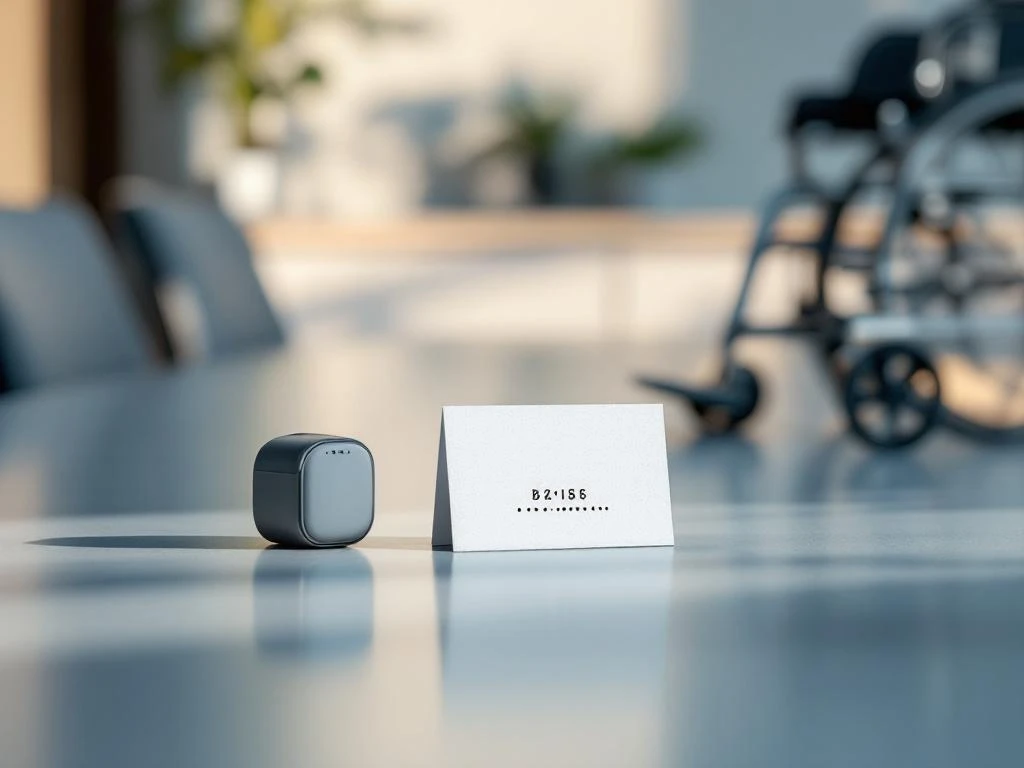
Managing special accommodation requests from attendees involves collecting detailed requirements early, documenting them clearly, and coordinating with hotels well before your event. Start by including accommodation request fields in your registration process, then communicate these needs to your hotel partners with specific details and deadlines. Having backup options and tracking systems helps ensure every attendee’s needs are met professionally.
What types of special accommodation requests do attendees typically make?
Event attendees most commonly request accessibility accommodations, including wheelchair-accessible rooms, roll-in showers, visual or hearing assistance devices, and rooms near lifts or on ground floors. These requests often require specific room types that hotels need advance notice to allocate properly.
Dietary restrictions represent another frequent category of special accommodation requests. Attendees may need kosher or halal meal options, vegetarian or vegan choices, or accommodations for food allergies and intolerances. Some hotels can provide mini-fridges for storing special dietary items or recommend nearby restaurants that cater to specific dietary needs.
Room modification requests include connecting rooms for families, quiet rooms away from lifts or busy areas, hypoallergenic bedding, and rooms with specific bed configurations. Medical requirements might involve refrigeration for medications, proximity to medical facilities, or rooms that can accommodate medical equipment.
Cultural considerations can include rooms facing specific directions for religious practices, prayer spaces, or accommodations during religious holidays. Understanding these diverse needs helps you plan more inclusive events and choose hotel partners who can accommodate various requirements.
How do you communicate special requests effectively to hotels?
Document each request with complete details, including the specific need, any required equipment or room features, arrival and departure dates, and attendee contact information. Send these details to hotels at least 2–4 weeks before the event to allow adequate preparation time.
Create a standardised format for communicating special requests to your hotel partners. Include the attendee’s name, confirmation number, specific accommodation needed, any medical documentation if required, and your event contact information for follow-up questions.
Timing matters significantly when communicating special accommodation requests. Send an initial list as soon as you have confirmed requests, then provide updates weekly leading up to your event. This allows hotels to secure appropriate inventory and make necessary arrangements without last-minute pressure.
Follow up with hotels within 48 hours of sending special requests to confirm receipt and get initial feedback on their ability to accommodate each need. Request written confirmation for each accommodation to avoid misunderstandings and ensure accountability.
Maintain detailed records of all communications with hotels about special requests, including dates, contact persons, and agreed-upon accommodations. This documentation becomes valuable if issues arise during the event and helps improve your process for future events.
What should you do when hotels can’t fulfil special requests?
When your primary hotel cannot accommodate special requests, immediately explore alternative solutions, including nearby partner hotels, room modifications that might work, or additional services the hotel can provide to meet the attendee’s needs partially.
Contact the affected attendee promptly to explain the situation and present available alternatives. Be transparent about what the hotel cannot provide while focusing on solutions you can offer. This honest communication helps maintain trust and allows attendees to make informed decisions.
Research backup accommodation options in advance, including other hotels near your event venue that specialise in accessibility or have better facilities for specific needs. Maintain relationships with multiple hotel partners to provide alternatives when your primary venue cannot accommodate certain requests.
Consider offering additional support services to bridge gaps in hotel accommodations. This might include arranging transportation to nearby accessible facilities, connecting attendees with local medical services, or providing information about restaurants that cater to specific dietary requirements.
Document what went wrong and why certain accommodations couldn’t be fulfilled. Use this information to improve your hotel selection criteria and special request processes for future events, ensuring you choose venues better equipped to handle diverse attendee needs.
How do you track and manage multiple special requests efficiently?
Create a centralised tracking system that includes attendee names, request types, assigned hotels, confirmation status, and any outstanding issues. Use spreadsheets or event management software to maintain real-time visibility of all special accommodation requests and their fulfilment status.
Establish a clear workflow for processing special requests from initial submission through final confirmation. Assign specific team members to handle different types of requests and set deadlines for each step in the process to ensure nothing falls through the cracks.
Implement regular review cycles to check the status of pending requests and follow up on any that haven’t received confirmation from hotels. Schedule weekly check-ins with your team and hotel partners to address any emerging issues before they become problems.
Use colour coding or status indicators in your tracking system to quickly identify requests that need immediate attention, those awaiting hotel confirmation, and those that have been successfully arranged. This visual system helps prioritise your efforts and ensures urgent needs receive prompt attention.
Create backup documentation for each special request, including alternative options and emergency contacts. This preparation helps your team respond quickly during the event if any accommodations fail to meet expectations or if last-minute changes become necessary.
How EventHost streamlines special accommodation management
We handle the entire special accommodation request process through our integrated platform, eliminating the manual coordination burden for event organisers. Our system captures detailed attendee requirements during the booking process and automatically communicates these needs to appropriate hotel partners with proper documentation and timing.
Our platform provides:
- Automated collection and organisation of special accommodation requests during booking
- Direct communication channels with hotel partners for immediate request processing
- Real-time tracking and confirmation of all special accommodations
- Backup hotel coordination when primary options cannot fulfil specific needs
- Complete documentation and reporting of all accommodation arrangements
- 24/7 support for attendees and hotels throughout the booking and event period
Ready to simplify your event accommodation management? Contact us to learn how our platform can handle all your special accommodation requests while you focus on delivering an outstanding event experience.