
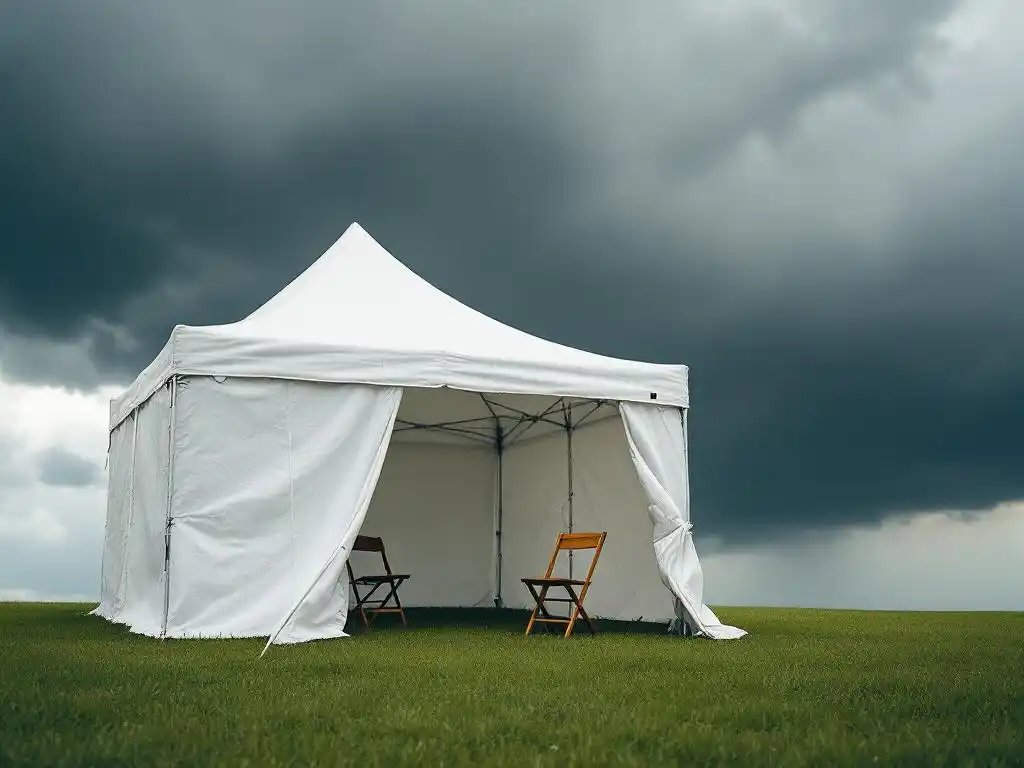
Planning an outdoor festival or open-air conference? You’re juggling more than just logistics—weather uncertainty adds a whole new layer of complexity to your accommodation strategy. When storms roll in or temperatures plummet, traditional hotel-booking approaches often leave you scrambling to manage cancellations, relocate attendees, and protect your event’s reputation.
Weather-dependent events create unique challenges that standard conference accommodation planning simply can’t address. From sudden venue changes that require entirely different hotel clusters to last-minute attendee cancellations that affect your room-block commitments, these situations demand a more flexible and strategic approach to event accommodations.
The good news? With the right preparation and systems in place, you can turn weather uncertainty from a nightmare into a manageable part of your event-planning process.
1: Build flexible cancellation policies into contracts
Your first line of defence against weather-related accommodation chaos starts with your hotel contracts. Standard cancellation policies rarely account for weather disruptions, leaving you liable for room blocks even when Mother Nature forces your hand.
When negotiating with hotels, push for weather-specific clauses that clearly define what constitutes a weather emergency. Include specific criteria such as wind speeds, precipitation levels, or official weather warnings that automatically trigger penalty-free modifications. Create tiered cancellation windows—perhaps 72 hours for partial modifications and 24 hours for emergency cancellations due to severe weather conditions.
Don’t forget to establish clear communication protocols within these contracts. Specify exactly who has the authority to invoke weather clauses and how quickly hotels must respond to modification requests. This prevents confusion when you’re racing against time to adjust bookings as a storm approaches.
2: Create backup venue accommodation clusters
Smart event organisers always have a Plan B venue, but do you have backup accommodation strategies to match? If your outdoor event moves indoors to a different location, your carefully planned hotel recommendations might suddenly be miles away from the action.
Map out potential alternative venues early in your planning process, then identify accommodation clusters around each location. Build relationships with hotels near these backup venues before you need them. This doesn’t mean booking rooms—it means establishing contact, understanding their capacity, and negotiating preliminary rates.
Consider proximity carefully when selecting backup accommodation options. Your attendees will already be dealing with event changes; the last thing they need is a lengthy commute from their hotel to the new venue. Create detailed maps showing walking distances and transport options for each potential scenario, so you can quickly communicate alternatives when weather strikes.
3: Implement dynamic room block management
Traditional room blocks work on fixed numbers and firm commitments—exactly what you can’t afford when weather might slash your attendance by 30% overnight. Dynamic management allows you to adjust allocations based on weather forecasts and registration patterns.
Work with hotels to establish graduated release dates tied to weather forecasts. Instead of releasing all unsold rooms 30 days before your event, create multiple release points—perhaps 60, 30, and 7 days out. This gives you flexibility to hold or release inventory based on long-range weather predictions and registration trends.
Maintain buffer inventory that can expand or contract based on your needs. Some hotels will allow you to establish a base commitment with options to increase room allocations if weather forecasts look favourable and registrations surge. Conversely, you might negotiate stepped reductions if forecasts predict poor conditions well in advance.
4: What should you tell attendees about weather risks?
Transparency builds trust, but how much weather uncertainty should you share with attendees? The key lies in framing accommodation flexibility as a valuable service rather than highlighting your event’s vulnerability to weather disruptions.
Communicate your weather contingency plans as attendee-focused benefits. Instead of saying “book early in case we need to cancel,” try “we’ve secured flexible booking options to ensure your comfort regardless of weather conditions.” Emphasise that your planning includes multiple scenarios designed to protect their investment and experience.
Provide clear guidance on recommended booking windows. Suggest that attendees book accommodation with flexible cancellation policies, and explain why this protects them. Share your communication timeline—let them know when they can expect weather-related updates and decisions about potential venue or schedule changes.
5: Set up real-time booking adjustment systems
When weather warnings hit 48 hours before your event, you need systems that can handle rapid changes without overwhelming your staff. Manual processes simply can’t keep pace with the speed required for effective weather response.
Establish clear workflows for modifying accommodation offerings quickly. This includes having pre-approved messaging templates for different weather scenarios, updated hotel availability lists, and streamlined processes for communicating changes to registered attendees. Your system should handle both waves of cancellations and last-minute booking surges.
Consider implementing automated notification systems that can instantly update attendees about accommodation changes. Real-time communication prevents confusion and reduces the flood of individual enquiries that typically follows weather-related announcements. Have backup communication channels ready—if your primary platform fails, you need alternatives available immediately.
6: Partner with weather-flexible accommodation types
Traditional hotels often have rigid policies that don’t align with weather uncertainty. Expanding your accommodation partnerships to include more flexible options can provide valuable alternatives for weather-dependent events.
Extended-stay hotels, serviced apartments, and corporate housing providers often offer more lenient modification policies. These properties are accustomed to uncertain booking patterns and may be more willing to work with weather-dependent events. They also provide varying stay lengths, which is useful when weather delays might extend attendees’ trips.
Vacation rental platforms can offer additional flexibility, though they require more careful management. Some platforms allow hosts to offer weather-related cancellation policies, and the variety of property types can accommodate different budget ranges and group sizes when your standard room blocks fall through.
7: Develop attendee communication protocols
Weather-related accommodation changes require precise timing and clear decision-making processes. Your attendees need to know what’s happening, when decisions will be made, and how changes will affect their bookings.
Create a communication timeline that aligns with weather-forecast reliability. Establish decision points—perhaps 7 days, 3 days, and 24 hours before your event—when you’ll assess weather conditions and communicate any necessary changes. This gives attendees predictable windows for planning their own adjustments.
Develop multi-channel communication strategies that ensure your messages reach attendees quickly. Email, SMS, event app notifications, and website updates should all work in coordination. Assign specific team members to each communication channel to prevent delays and ensure consistency in messaging across all platforms.
8: Monitor weather patterns for proactive planning
Reactive weather management puts you constantly behind the curve. Proactive monitoring allows you to anticipate challenges and implement solutions before they become emergencies.
Track seasonal weather patterns for your event locations and dates. Historical weather data can inform your accommodation planning—if your event date typically sees high rainfall, build that assumption into your hotel negotiations and attendee communications from the start. Use professional weather-forecasting services that provide longer-range predictions than standard consumer weather apps.
Build weather contingencies into your event timeline from the planning stage. This means setting accommodation decision deadlines that align with reliable forecast windows, and learning from historical data to improve your weather-response strategies for future events. Document what worked and what didn’t after each weather challenge to refine your approach continuously.
How EventHost helps with weather-dependent accommodations
Managing conference accommodation during weather uncertainty doesn’t have to drain your resources or compromise your attendees’ experience. We’ve designed our platform specifically to provide the flexibility that weather-dependent events require.
Our white-label booking platform provides:
- Real-time inventory management that adjusts instantly to your changing accommodation needs
- Flexible booking modifications that can handle weather-related cancellations and rebookings efficiently
- Automated communication tools that keep attendees informed about accommodation changes
- Commission-based revenue without upfront costs, protecting your budget during uncertain weather conditions
- Access to 2.7 million properties worldwide with integrated mapping technology showing real distances from venues
Ready to transform your weather-dependent event accommodation strategy? Learn more about our commission opportunities or contact our team to discuss your specific weather-related challenges. Let us help you turn accommodation uncertainty into a competitive advantage.