
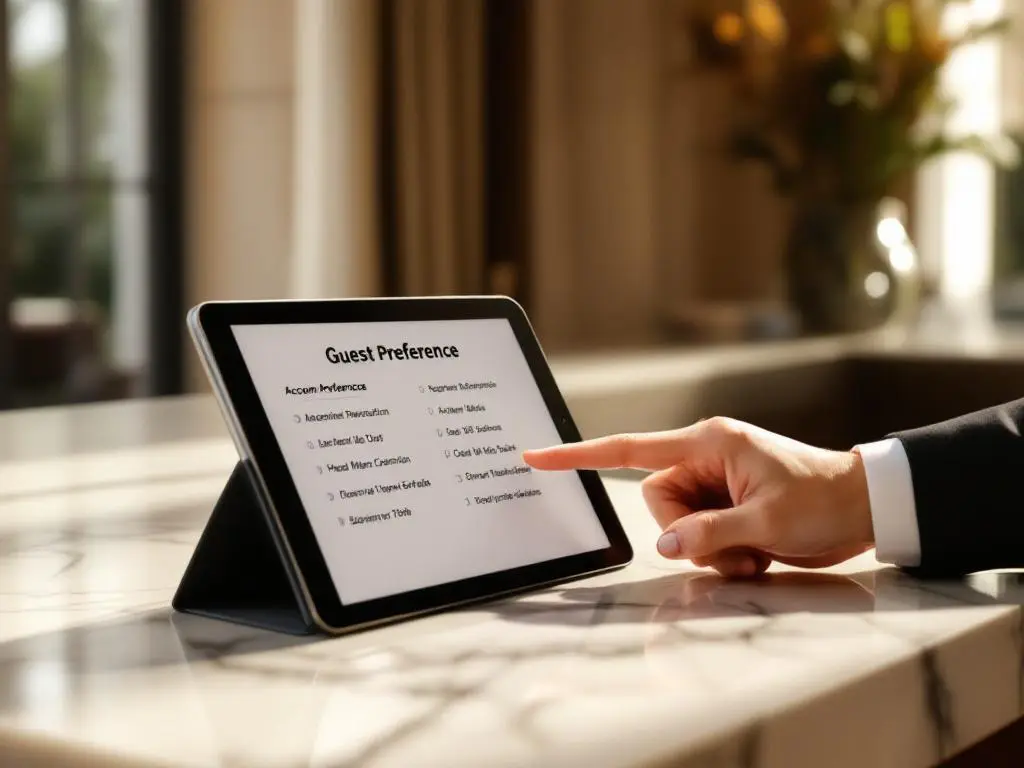
When you think about what makes an event truly memorable, accommodation often plays a bigger role than you might expect. The hotel experience can make or break an attendee’s perception of your entire event. Yet many event organisers treat accommodation as an afterthought, missing a golden opportunity to create personalised experiences that boost satisfaction and generate additional revenue.
Modern attendees expect personalisation in every aspect of their event journey, including where they stay. By leveraging accommodation preferences, you can transform a basic booking process into a tailored experience that reflects your attendees’ unique needs and preferences. This approach doesn’t just improve satisfaction scores—it creates opportunities for deeper engagement and stronger event loyalty.
Let’s explore five practical ways to use accommodation preferences to elevate your attendee experience and streamline your event planning process.
1: Collect preferences during registration
The foundation of personalised accommodation starts with smart data collection during your event registration process. Rather than overwhelming attendees with lengthy questionnaires, focus on gathering strategic preference data that will genuinely improve their experience.
Start with the basics: room type preferences (single, double, suite), accessibility requirements, and budget considerations. Then layer in lifestyle preferences that can guide your recommendations. Ask about their priorities—are they looking for proximity to the venue, access to fitness facilities, or quiet spaces for work? Do they prefer modern chain hotels or boutique properties with character?
The key is making these questions feel valuable rather than burdensome. Frame them as “help us find your perfect accommodation” rather than mandatory fields. Consider using progressive profiling, where you gather basic preferences initially and collect additional details through follow-up communications. This approach maintains high completion rates while still gathering the insights you need to personalise their conference accommodation experience.
2: Match room types to attendee needs
Once you’ve collected preference data, the real magic happens in the matching process. Different attendees have vastly different accommodation needs, and recognising these patterns allows you to create more targeted recommendations.
Business travellers often prioritise functional amenities like reliable Wi-Fi, work desks, and proximity to meeting spaces. They might prefer standard business hotels with consistent service levels. Meanwhile, attendees extending their stay for leisure purposes might value unique local experiences, spa facilities, or rooms with special views.
Consider creating attendee segments based on their stated preferences and booking behaviour. First-time attendees might appreciate hotels with concierge services to help them navigate the area. International visitors might prioritise properties with multilingual staff or specific amenities that cater to their cultural preferences. By understanding these nuances, you can guide attendees toward event accommodations that truly match their expectations and enhance their overall event experience.
Remember that accessibility needs go beyond basic compliance. Some attendees might benefit from ground-floor rooms, while others need specific bathroom configurations or visual/hearing accessibility features. Capturing and acting on these preferences shows your commitment to inclusive event planning.
3: Create location-based recommendations
Location preferences reveal a lot about what attendees value most during their event experience. Some prioritise convenience above all else, wanting to walk to venues or access public transport easily. Others see the event as an opportunity to explore a new city and prefer accommodations in vibrant neighbourhoods with dining and entertainment options.
Use preference data to create personalised location clusters in your accommodation offerings. For convenience-focused attendees, highlight properties within walking distance of your venue, complete with actual walking times and route information. For explorers, showcase hotels in culturally rich areas with easy access to local attractions, restaurants, and nightlife.
Consider the full journey when making location-based recommendations. An attendee arriving late at night might value proximity to the airport or reliable transport links. Those with early morning sessions might prioritise being close to the venue over being in the heart of the entertainment district. By matching location preferences to individual priorities, you create a more thoughtful and personalised booking experience.
Modern booking platforms can display real walking distances and transport options, helping attendees make informed decisions based on their stated preferences. This transparency builds trust and reduces post-booking anxiety about their accommodation choice.
4: What dietary restrictions reveal about lodging needs
Dietary preferences and restrictions offer surprising insights into accommodation needs that many event organisers overlook. These preferences often indicate lifestyle choices that extend far beyond meal requirements and can guide more comprehensive accommodation recommendations.
Attendees with specific dietary needs often appreciate hotels with well-equipped kitchenettes or access to grocery stores where they can prepare familiar meals. Those following strict dietary requirements might value properties with knowledgeable concierge services who can recommend suitable local restaurants or help communicate dietary needs in different languages.
Wellness-focused attendees who mention organic food preferences might also appreciate hotels with fitness centres, spa services, or locations near parks for morning runs. Similarly, those with cultural dietary requirements might prefer accommodations in neighbourhoods with relevant grocery stores and restaurants that cater to their needs.
This information also helps you anticipate questions and provide proactive support. If you know an attendee follows a strict gluten-free diet, you can include information about nearby suitable restaurants or grocery stores in their accommodation confirmation. This level of thoughtfulness demonstrates attention to detail that attendees remember long after the event ends.
5: Customise communication based on preferences
Personalised communication transforms the accommodation booking process from a transaction into a relationship-building opportunity. Use the preference data you’ve collected to tailor every touchpoint, from initial recommendations through post-event follow-up.
Create segmented email campaigns that speak directly to different attendee types. Budget-conscious attendees receive communications highlighting value and included amenities. Luxury-seeking attendees get information about premium properties and exclusive services. International visitors receive additional information about local customs, currency, and transportation options.
During the event, use preference data to personalise mobile app notifications and updates. Attendees who prioritised fitness facilities get notifications about hotel gym hours or nearby running routes. Those interested in local culture receive recommendations for evening entertainment or weekend activities.
The timing and frequency of communications should also reflect preferences. Business travellers might appreciate detailed logistical information sent well in advance, while leisure-focused attendees might prefer inspiration-focused content closer to their arrival date. By respecting these preferences, you create communication that feels helpful rather than overwhelming.
Post-event communications can reference their accommodation experience and preferences for future events. This creates continuity and shows that you value their individual needs, increasing the likelihood of repeat attendance and positive word-of-mouth recommendations.
How EventHost helps with accommodation personalisation
We’ve designed our white-label hotel booking platform specifically to help event organisers create these personalised accommodation experiences without the operational complexity. Our system integrates directly into your event website, maintaining your brand consistency while providing access to 2.7 million hotels worldwide.
Here’s how we support preference-based personalisation:
- Intelligent data collection: Customisable preference forms that integrate seamlessly with your registration process
- Smart matching algorithms: Automated systems that connect attendee preferences with suitable accommodation options
- Live mapping technology: Real walking and travel distances from accommodations to your venue, helping attendees make informed decisions
- Personalised recommendations: Tailored hotel suggestions based on individual preferences and requirements
- Commission opportunities: Generate additional revenue while providing better service to your attendees
Ready to transform your event accommodation experience? Discover how our platform can help you personalise attendee experiences while creating new revenue streams for your events. Get in touch with our team to learn more about implementing preference-based accommodation personalisation for your next event.