
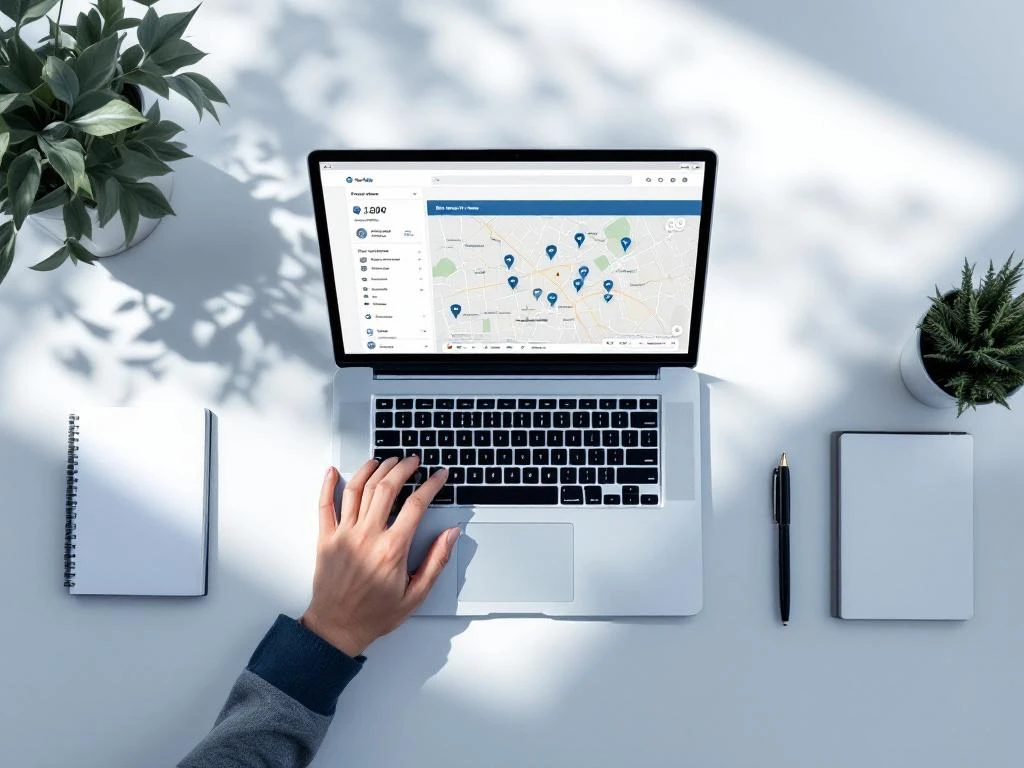
Event accommodation management involves coordinating hotel bookings and lodging arrangements for event attendees to ensure they have convenient, affordable places to stay near your venue. This process directly impacts attendee satisfaction, event success rates, and your reputation as an organiser. Proper accommodation planning also creates revenue opportunities while reducing administrative headaches. Here’s everything you need to know about getting started with event housing solutions.
What exactly is event accommodation management and why does it matter?
Event accommodation management is the systematic coordination of hotel bookings and lodging arrangements for event attendees. It involves selecting appropriate hotels, negotiating rates, managing room blocks, and providing attendees with streamlined booking options near your event venue.
This process plays a vital role in event success because accommodation directly affects attendee experience and participation rates. When attendees can easily find and book suitable lodging close to your venue, they’re more likely to attend and stay for the entire duration of the event. Poor accommodation options or complicated booking processes often lead to lower attendance and frustrated participants.
Proper lodging coordination significantly impacts attendee satisfaction scores. Participants who stay in convenient, well-priced hotels arrive at sessions on time, participate more actively, and leave positive feedback about the overall event experience. Conversely, attendees stuck in distant or unsuitable accommodation often express dissatisfaction that reflects poorly on your event.
Your reputation as an organiser depends heavily on how well you handle these logistics. Events known for excellent accommodation coordination attract more participants year after year, while those with housing problems struggle with retention and word-of-mouth recommendations.
What are the biggest challenges event organisers face with hotel bookings?
The most common problems include scattered bookings across multiple platforms, lack of visibility around venue proximity, attendee complaints about location and pricing, overwhelming administrative burden, and missed revenue opportunities from accommodation partnerships.
Scattered bookings create significant headaches because attendees book through different websites, making it impossible to track who’s staying where. This leads to coordination problems when you need to communicate with guests or handle group transportation. Many organisers spend hours trying to gather accommodation information from various sources.
Most booking platforms don’t show actual walking distances or travel times to event venues. Attendees often book hotels that appear close on maps but require lengthy commutes or expensive transport. This results in complaints, late arrivals, and requests for help finding alternative accommodation.
Pricing transparency becomes another major issue when attendees book independently. Some pay premium rates while others find budget options, creating fairness concerns and budget planning difficulties for companies sending multiple employees.
The administrative burden of managing group hotel bookings, handling cancellations, answering accommodation questions, and coordinating with multiple properties can overwhelm small event teams. This takes time away from other important planning activities.
Many organisers miss significant revenue opportunities by not partnering with hotels for commission-based booking arrangements that could offset event costs.
How do you choose the right hotels for your event attendees?
Hotel selection should prioritise proximity to your venue, reliable transportation options, pricing tiers that accommodate different budgets, business-friendly amenities, and sufficient capacity for your expected group size during your event dates.
Proximity to the venue remains the most important factor. Calculate actual walking times and distances, not just map proximity. Consider weather conditions, the safety of walking routes, and the availability of covered walkways. Hotels within a 10–15-minute walk typically provide the best attendee experience.
Transportation options matter when nearby hotels aren’t available. Look for properties with shuttle services, proximity to public transport, or easy access to ride-sharing pick-up points. Ensure transportation runs frequently during your event hours.
Pricing tiers help accommodate different attendee budgets and company policies. Partner with hotels at various price points: budget-friendly options for cost-conscious attendees, mid-range properties for standard business travel, and premium accommodation for executives or speakers.
Business traveller amenities include reliable Wi-Fi, business centres, fitness facilities, room service, and 24-hour front desk service. These features matter more to event attendees than leisure-focused amenities like pools or spas.
Capacity considerations involve ensuring adequate room availability during your event dates, including arrival and departure days. Account for varying lengths of stay and potential last-minute bookings when negotiating room blocks.
What’s the difference between traditional hotel booking and event-specific accommodation solutions?
Traditional booking platforms treat each reservation individually, without event context, while event-specific solutions integrate accommodation directly into your event ecosystem with proximity mapping, group coordination features, and revenue-sharing opportunities for organisers.
Standard booking platforms like Booking.com or Expedia focus on individual leisure travel. They don’t understand event logistics, proximity requirements, or group coordination needs. Attendees book independently without any connection to your event, making management difficult.
Event-focused systems integrate accommodation booking directly into your event registration or website. This creates a seamless experience where attendees handle tickets and lodging in one process, improving conversion rates and reducing abandoned bookings.
White-label customisation allows event-specific solutions to maintain your branding throughout the booking process. Attendees see your event information, colours, and messaging rather than generic hotel booking interfaces.
Commission opportunities represent a significant advantage of event-specific platforms. Instead of paying booking fees, you earn revenue from each accommodation booking made through your event platform. This can offset event costs or provide additional profit margins.
The streamlined attendee experience includes proximity information relevant to your venue, group rates negotiated specifically for your event, and customer service that understands your event’s unique requirements. This reduces confusion and improves satisfaction compared with generic booking experiences.
How do you measure success in event accommodation management?
Success metrics include booking conversion rates from your accommodation platform, attendee satisfaction scores related to the lodging experience, commission revenue generated from hotel partnerships, proximity metrics showing average distance from the venue, and post-event feedback for future improvements.
Booking conversion rates measure how many people who view accommodation options actually complete bookings. Rates above 15–20% indicate effective hotel selection and pricing. Low conversion suggests problems with options, prices, or booking process complexity.
Attendee satisfaction scores specifically related to accommodation help identify what’s working well. Survey questions about hotel quality, location convenience, pricing fairness, and booking ease provide actionable feedback for future events.
Revenue generated from commissions shows the financial impact of your accommodation strategy. Track total commission earned, average commission per booking, and how this revenue offsets event costs or contributes to profitability.
Proximity metrics reveal whether attendees are actually staying close to your venue. Measure average walking time, the percentage of attendees within 15 minutes of the venue, and transportation usage patterns to optimise future hotel selections.
Post-event feedback analysis identifies specific improvement opportunities. Look for patterns in complaints, requests for different amenities, pricing concerns, or suggestions for alternative hotel partnerships. This data guides better accommodation planning for subsequent events.
How EventHost simplifies event accommodation management
We provide a complete white-label hotel booking solution that integrates directly into your event website, eliminating the complexity of accommodation coordination while generating commission revenue. Our platform handles everything from hotel partnerships to customer service, so you can focus on your event.
Our solution includes:
- Proximity mapping technology that shows real walking distances from hotels to your venue, helping attendees make informed decisions
- White-label integration that maintains your branding throughout the booking experience
- Commission-based revenue that turns accommodation into a profit centre rather than an expense
- Complete service management including customer support, cancellations, and booking modifications
- Real-time inventory management with 2.7 million hotels worldwide
- Automated reporting that tracks performance metrics and commission earnings
Ready to transform your event accommodation management? Partner with us today to learn how we can create a custom hotel booking solution for your next event with zero setup costs and immediate revenue potential. Our comprehensive event accommodation platform makes it easier than ever to provide your attendees with seamless hotel booking experiences while maximising your event revenue.