
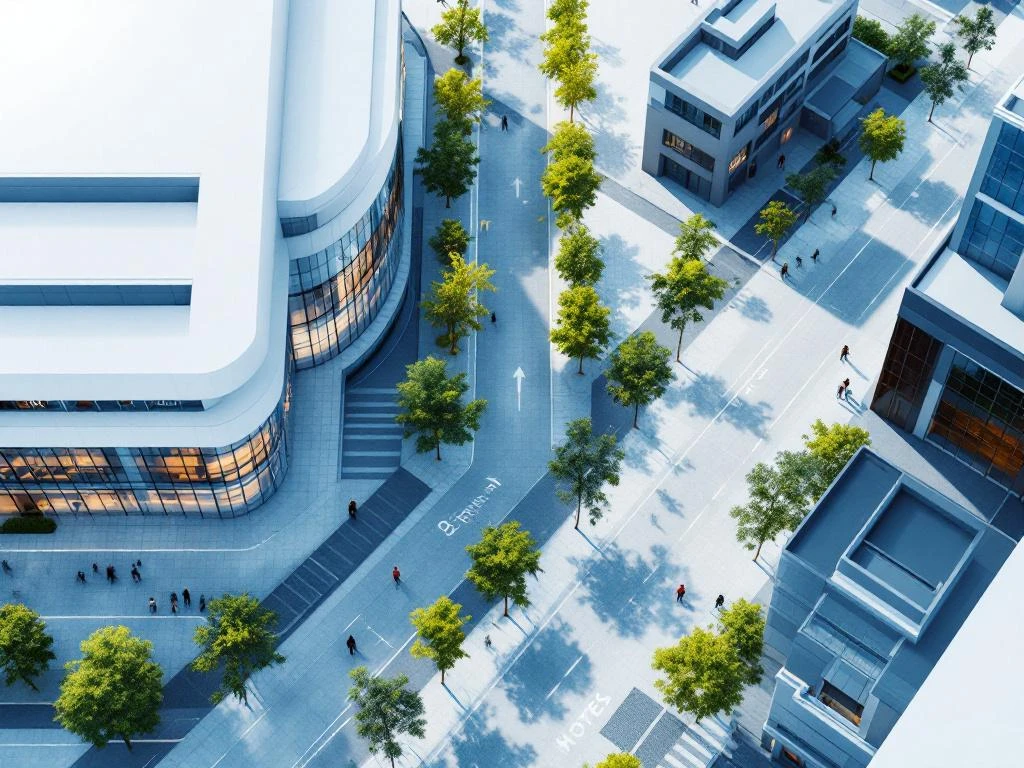
The ideal hotel-to-venue distance for conferences ranges from 0.2 to 0.5 miles (a walking distance of 5–10 minutes). This proximity allows attendees to easily return to their rooms between sessions while maintaining convenient access to networking events. However, the optimal distance depends on factors such as city layout, transportation options, and attendee preferences for convenience versus cost.
What distance do conference attendees actually prefer when choosing hotels?
Conference attendees typically prefer hotels within a 10-minute walk of the venue, which translates to roughly 0.3 to 0.5 miles, depending on walking speed and route conditions. This preference stems from the desire to maximize convenience while minimizing travel stress during busy conference schedules.
Walking-distance preferences vary by attendee demographics and conference type. Business professionals attending multi-day conferences often prioritize proximity over price, especially for early-morning sessions or late networking events. International attendees frequently choose closer accommodations to reduce navigation complexity in unfamiliar cities.
Transportation preferences also influence hotel selection. Many attendees prefer walking to maintain schedule flexibility and avoid dependence on public transport or ride-sharing services. However, some attendees willingly choose hotels up to 2 miles away if reliable shuttle services or convenient public transportation connects them to the venue.
Booking behavior patterns show that hotels within the immediate conference accommodation area fill first, often commanding premium rates. Attendees booking early typically secure closer properties, while late bookers may need to consider hotels farther from the venue with alternative transportation options.
How does hotel distance from the venue affect attendee satisfaction?
Hotel proximity significantly impacts attendee satisfaction, with closer accommodations reducing stress and improving the overall conference experience. Attendees staying within walking distance report higher satisfaction rates due to increased flexibility and reduced morning-commute anxiety.
Morning-commute stress decreases substantially when hotels are within easy walking distance. Attendees can wake up later, grab breakfast at their hotel, and still arrive punctually for opening sessions. This proximity also allows for quick returns to freshen up or retrieve forgotten materials without missing significant conference content.
Networking opportunities expand when attendees stay near the venue. Close hotel-to-venue distance enables spontaneous dinner invitations, impromptu business discussions, and extended networking sessions without transportation concerns. Attendees can easily transition between official conference events and informal gatherings.
After-hours socializing becomes more accessible with nearby accommodation. Attendees feel more comfortable attending evening receptions or exploring local restaurants when their hotel is a short walk away. This proximity often leads to increased participation in optional conference activities and better relationship-building with other attendees.
Overall event participation rates improve when accommodation is conveniently located. Attendees are more likely to attend early-morning sessions, optional workshops, and evening events when travel time is minimal. This increased participation typically translates to higher perceived value from the conference investment.
What’s the difference between walking distance and actual travel time for conference hotels?
Walking-distance measurements often underestimate real travel time by 25–40% due to factors such as traffic signals, pedestrian routes, and city-layout complexities. A hotel listed as 0.3 miles away might require 8–12 minutes of actual walking time rather than the theoretical 5–6 minutes.
Weather conditions significantly impact travel time between hotels and venues. Rain, snow, or extreme temperatures can double walking times and force attendees to seek covered routes or alternative transportation. Conference hotel selection should consider seasonal weather patterns and available indoor walking paths or covered walkways.
City layout affects actual commute times more than pure distance measurements. Hotels across busy intersections, separated by construction zones, or requiring navigation through complex building layouts may take longer to reach despite appearing close on maps. Urban canyons and one-way street systems can also complicate walking routes.
Traffic patterns influence pedestrian movement, especially during rush hours when sidewalks become congested. Conference venues in business districts may experience heavy foot traffic that slows walking speeds during peak times. These patterns particularly affect morning-session attendance and lunch-break returns.
Accessibility considerations add time for attendees with mobility challenges. Venues requiring elevator access, ramp navigation, or longer accessible routes need additional travel time factored into hotel selection decisions. Conference accommodation strategy should account for diverse attendee needs when recommending venue walking-distance parameters.
Which factors matter most when measuring hotel-to-venue distance?
Safety of walking routes ranks as the most important factor beyond simple distance measurements. Well-lit streets, pedestrian-friendly pathways, and low-crime areas significantly influence attendee comfort and willingness to walk between their hotel and the conference venue.
Availability of public transportation provides crucial backup options when walking is not feasible. Hotels near metro stations, bus stops, or dedicated conference shuttles offer flexibility during inclement weather or for attendees with mobility limitations. Reliable public transport can make slightly more distant hotels more attractive than closer options with poor connectivity.
Parking accessibility becomes vital for attendees driving to conferences. Hotels offering parking packages or proximity to affordable parking structures can offset slightly greater walking distance to the venue. This factor particularly influences regional attendees who prefer driving over flying to conference destinations.
Neighborhood amenities enhance the overall conference experience beyond mere proximity. Hotels surrounded by restaurants, coffee shops, pharmacies, and business centers provide convenience that can compensate for additional walking distance to the venue. These amenities support attendee needs throughout their conference stay.
Event-hotel booking considerations include route complexity and landmark-based navigation. Hotels requiring complex turns, passage through multiple buildings, or navigation past confusing intersections may feel more distant than their actual measurement suggests. Clear, memorable routes contribute significantly to perceived convenience and overall travel ease.
How does EventHost help with conference hotel proximity planning?
EventHost’s live map technology calculates precise walking and travel distances from accommodations to event venues, eliminating guesswork in conference hotel selection. Our platform displays hotels based on actual proximity, ensuring attendees make informed decisions about their event-venue proximity preferences.
Our distance-calculation features provide several key advantages:
- Real-time walking-distance measurements that account for actual street layouts and pedestrian routes
- Travel-time estimates that consider typical walking speeds and route complexity
- Priority visibility for hotels closest to event locations, optimizing both convenience and booking conversion
- Integration with 2.7 million hotels worldwide, ensuring comprehensive accommodation options at every distance range
- White-label customization that maintains your event branding while providing sophisticated proximity-planning tools
Ready to simplify conference accommodation planning for your attendees? Contact us to learn how EventHost’s proximity-based booking platform can enhance your next event’s hotel-booking experience while generating additional revenue for your organization.