
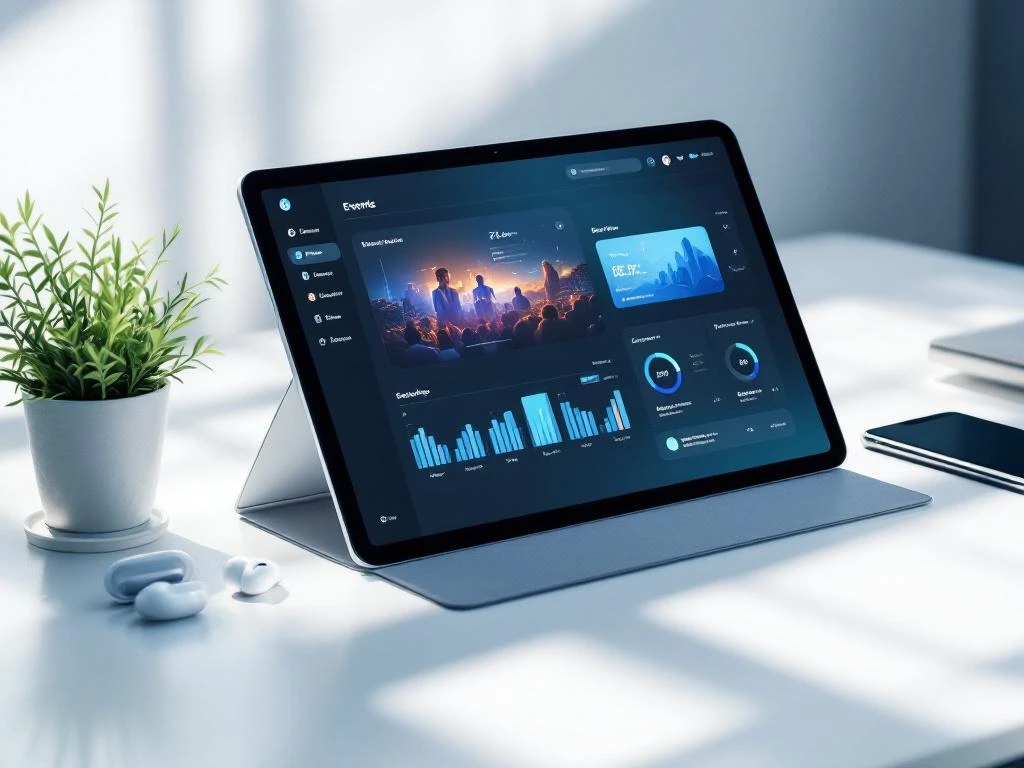
Modern events require a comprehensive event tech stack that includes registration platforms, payment processing, mobile apps, and communication tools. Today’s attendees expect seamless digital experiences, from booking accommodations to networking opportunities. The technology you choose depends on whether you’re hosting virtual, hybrid, or in-person events, with each format requiring different digital event solutions to ensure attendee satisfaction.
What basic technology do all modern events need to function?
Every modern event needs registration systems, payment processing, communication platforms, and event management software to function effectively. These four technologies form the foundation that makes any event possible, regardless of size or format.
Your event registration platforms handle attendee sign-ups, collect participant information, and manage capacity limits. Look for systems that integrate with your other tools and provide real-time data on registrations. Payment processing capabilities should support multiple methods including credit cards, digital wallets, and corporate billing options.
Communication tools keep your team coordinated and attendees informed. This includes email marketing platforms for pre-event messaging, messaging apps for staff coordination, and notification systems for real-time updates. Event management software ties everything together, providing a central dashboard where you can monitor registrations, track attendance, and manage logistics.
Don’t overlook basic but important technologies like reliable internet infrastructure, audio-visual equipment for presentations, and backup systems for when things go wrong. These fundamentals support everything else you’re trying to accomplish.
How have attendee expectations changed what technology events must provide?
Attendees now expect mobile-first experiences, personalised content, and integrated booking processes that match the convenience they get from consumer apps. Your event technology needs to deliver the same smooth experience people get when booking travel or shopping online.
Mobile accessibility has become non-negotiable. Attendees want to register, access schedules, network with other participants, and book accommodations all from their phones. If your event app features don’t work seamlessly on mobile devices, you’ll frustrate participants before your event even begins.
Personalisation expectations have also risen dramatically. People want content recommendations based on their interests, networking suggestions that match their goals, and scheduling tools that adapt to their preferences. Your digital event solutions need to collect and use data intelligently to create these customised experiences.
Integration has become equally important. Attendees don’t want to juggle multiple platforms for different aspects of your event. They expect to book tickets and hotels in one place, access all event information through a single app, and receive coordinated communications that don’t overwhelm their inboxes.
What’s the difference between virtual, hybrid, and in-person event technology needs?
Virtual events require streaming platforms and digital engagement tools, hybrid events need technology that bridges physical and digital experiences, while in-person events focus on on-site management and networking solutions.
Virtual event tools centre around broadcasting and interaction capabilities. You need reliable streaming technology that can handle your expected audience size, interactive features like polls and Q&A systems, and virtual networking platforms that help attendees connect. Event booking systems for virtual events focus more on access management than physical logistics.
Hybrid event technology presents the biggest challenge because you’re essentially running two events simultaneously. You need streaming capabilities to reach remote attendees, but also on-site technology for in-person participants. Your event app features must work for both groups, allowing virtual and physical attendees to interact with each other.
In-person events require different technology priorities. You need robust Wi-Fi infrastructure, mobile event apps for navigation and scheduling, on-site registration systems, and networking tools that work in physical spaces. Event booking systems become more complex as you manage accommodation needs, transportation, and venue logistics.
Each format also has unique measurement requirements. Virtual events generate different data than in-person gatherings, and hybrid events require technology that can track engagement across both digital and physical touchpoints.
Which event technologies actually improve attendee satisfaction?
Mobile apps, networking platforms, and integrated services have the biggest impact on attendee satisfaction because they solve real problems people face at events. These technologies make events more convenient and valuable for participants.
Event app features that genuinely help include interactive schedules that sync with personal calendars, maps that help people navigate venues, and networking tools that facilitate meaningful connections. Push notifications work well when they provide useful information without overwhelming attendees.
Networking platforms succeed when they’re simple to use and help people find relevant connections. Features like attendee directories with search filters, meeting scheduling tools, and conversation starters based on shared interests create real value. Avoid overly complex systems that require extensive setup.
Integrated services eliminate friction points that frustrate attendees. When people can book accommodations, register for sessions, and access event information through connected systems, their experience improves significantly. Event booking systems that handle multiple needs in one place consistently receive positive feedback.
Technology that provides immediate practical value gets used most. This includes digital business card exchanges, session feedback tools, and real-time schedule updates. Focus on solving actual problems rather than adding features that seem impressive but don’t address attendee needs.
How do you choose the right event technology stack for your budget?
Start by identifying your must-have features, then prioritise based on attendee impact and available budget. Focus spending on technology that directly improves the attendee experience rather than backend tools that only benefit your team.
Create a priority framework that ranks technology needs by importance and cost. Registration and payment processing typically deserve the highest priority since they’re required for basic event function. Communication tools and mobile apps usually come next, followed by more advanced features like networking platforms and analytics tools.
Consider the total cost of ownership, not just initial setup fees. Some event management software appears affordable upfront but charges high transaction fees. Others require significant training time or ongoing technical support. Factor in these hidden costs when making decisions.
Look for integrated solutions that provide multiple capabilities rather than buying separate tools for each function. This approach often costs less and creates better attendee experiences through seamless connections between different features.
Don’t try to implement everything at once. Start with fundamental digital event solutions for your first event, then add more sophisticated features as your budget and experience grow. Many successful events use relatively simple technology stacks that focus on doing basic things very well.
How EventHost simplifies event accommodation technology
We provide a white-label hotel booking platform that integrates directly into your event website, eliminating technical complexity while creating revenue opportunities through commission-based partnerships with over 2.7 million hotels worldwide.
Our solution addresses one of the most challenging aspects of event planning – attendee accommodation – through technology that requires zero setup costs or technical expertise from your team:
- White-label integration that maintains your event branding throughout the booking process
- Proprietary mapping technology showing real walking distances from hotels to your venue
- Automated customer service handling all guest inquiries and booking modifications
- Revenue generation through commissions on every booking made through your platform
- Real-time inventory management with detailed reporting and performance analytics
The platform handles all technical implementation, payment processing, and customer support, allowing you to focus on your core event planning while providing attendees with seamless accommodation booking. Hotels join our network at no cost and maintain full control over pricing and availability.
Ready to add professional hotel booking capabilities to your event technology stack? Contact us to see how EventHost can enhance your attendee experience while generating additional revenue for your organisation.