
Walking into a large conference can feel overwhelming. Thousands of attendees mill about, business cards fly everywhere, and genuine conversations seem impossible to find. Yet some conferences manage to create environments where meaningful connections happen naturally, where attendees leave with valuable relationships that extend far beyond the event itself.
The difference lies in intentional design. When organisers focus on conference networking strategies that prioritise quality over quantity, they transform massive gatherings into spaces where professional networking thrives. The best large conferences don’t leave networking to chance – they create systems and environments that encourage authentic relationship building.
Here’s how successful event organisers facilitate genuine connections that matter long after the conference badges come off.
Create dedicated networking spaces that actually work
Most conference venues have networking areas, but many fail because they treat them as afterthoughts. Effective networking spaces require careful consideration of human behaviour and environmental psychology.
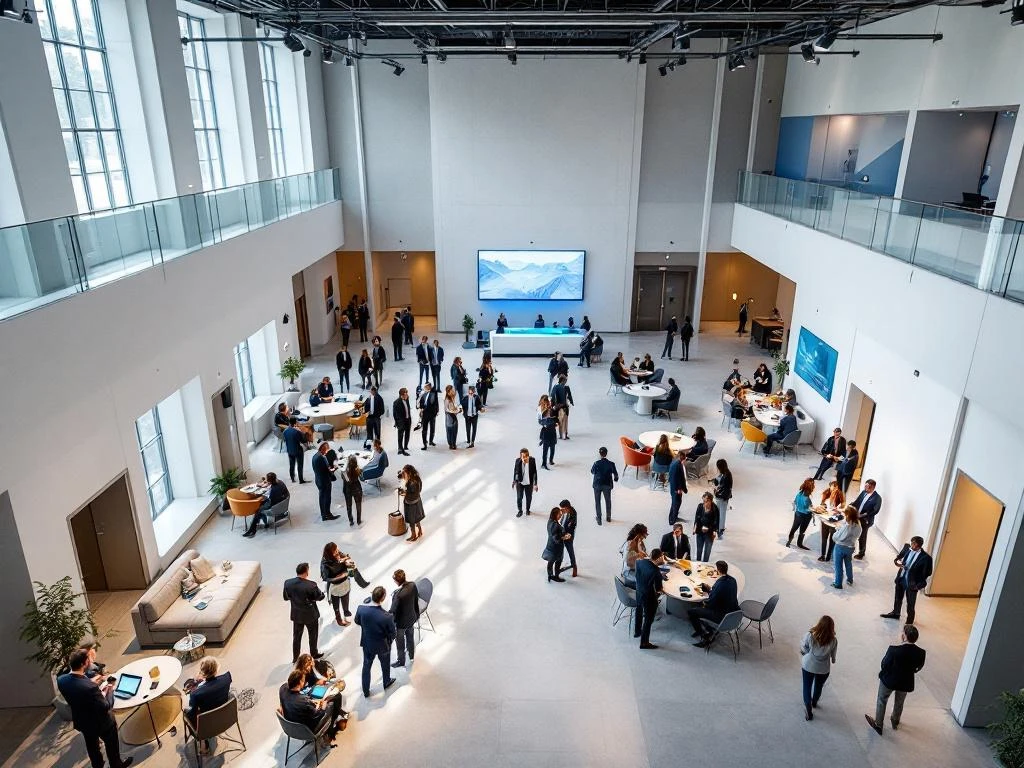
The best networking areas feature comfortable seating arrangements that encourage conversation. Round tables work better than long rectangular ones because they allow everyone to see and speak with each other easily. Lounge-style furniture creates a more relaxed atmosphere than formal conference chairs, helping attendees feel more comfortable opening up to strangers.
Strategic placement matters enormously. Position networking spaces near natural gathering points like registration areas, coffee stations, or main thoroughfares. This creates organic opportunities for conference attendee engagement as people naturally pause and interact in these high-traffic zones.
Lighting and acoustics significantly impact conversation quality. Harsh fluorescent lighting creates an institutional feel that inhibits connection, while softer lighting encourages more intimate discussions. Sound management prevents the overwhelming noise that makes meaningful conversations impossible at large conferences.
Consider creating multiple smaller networking zones rather than one massive area. This approach allows for different conversation styles and energy levels, giving introverted attendees quieter spaces while maintaining vibrant areas for more outgoing participants.
Use technology to match attendees with shared interests
Technology transforms how attendees discover potential connections at large conferences. Rather than relying on random encounters, smart event networking platforms help people find others with complementary goals and interests.
Modern networking apps allow attendees to create detailed profiles showcasing their expertise, interests, and networking objectives. AI-powered matching systems analyse this information to suggest relevant connections, dramatically increasing the likelihood of meaningful connections forming.
Interest-based algorithms work particularly well for professional networking. When attendees specify they’re seeking partnerships in sustainability technology or looking for mentorship in digital marketing, the system can connect them with relevant professionals who might otherwise remain strangers in a crowd of thousands.
Digital scheduling tools eliminate the frustration of missed connections. Attendees can book specific meeting times with their matches, ensuring important conversations actually happen despite busy conference schedules. This structured approach works especially well for senior executives and speakers who have limited availability.
Push notifications and messaging features help maintain momentum between initial matches and actual meetings. When someone accepts a connection request, the platform can suggest specific meeting locations within the venue and provide conversation starters based on shared interests.
Design structured activities that break down barriers
Unstructured networking often favours extroverted attendees while leaving others struggling to make connections. Well-designed structured activities level the playing field and help everyone participate in event networking.
Speed networking formats work exceptionally well at large conferences because they provide a framework for initial introductions. Participants spend five to seven minutes with each person, following a loose structure that covers professional background, current projects, and potential collaboration opportunities. This format removes the pressure of approaching strangers while ensuring everyone meets multiple new contacts.
Small group discussions around specific topics create natural conversation starters. Rather than general networking sessions, organise groups around industry challenges, emerging trends, or professional development themes. These focused discussions give attendees concrete talking points and shared reference points for future conversations.
Collaborative workshops combine learning with relationship building. When attendees work together on case studies or problem-solving exercises, they see each other’s expertise in action. These shared experiences create stronger foundations for conference relationships than traditional networking conversations.
Interactive activities like innovation challenges or hackathons bring together people with complementary skills. A marketing professional might team up with a developer and a designer, creating connections across functional areas that wouldn’t naturally occur in typical networking settings.
Extend connections beyond the conference floor
The most valuable conference networking happens after the event ends. Smart organisers create systems and opportunities that help new connections develop into lasting professional relationships.
Post-event follow-up systems make maintaining connections effortless. Digital platforms can automatically share contact information between people who connected during the conference, eliminating the business card shuffle. Automated follow-up emails with conversation notes help attendees remember specific details about their new contacts.
Shared accommodation experiences create deeper bonds between attendees. When conference-goers stay at the same hotels or participate in group dining arrangements, they have natural opportunities for continued conversation outside the formal event environment. These informal interactions often lead to stronger conference community building than scheduled networking sessions.
Digital communities maintain engagement long after everyone returns home. Private online groups for conference attendees provide spaces to share resources, ask questions, and continue conversations that started during the event. These platforms work particularly well when moderated actively and focused on specific professional topics.
Regional meetups extend conference connections into local markets. Organisers can facilitate smaller gatherings in major cities, allowing attendees who met at the main conference to reconnect and include local professionals in their expanding network.
Ongoing engagement platforms like monthly webinars or quarterly virtual networking sessions keep the conference community active throughout the year. This approach transforms a single event into a year-round professional development resource.
How EventHost helps with conference networking
We understand that meaningful connections often begin with shared experiences, and accommodation plays a significant role in conference community building. EventHost creates natural networking opportunities by connecting attendees who are staying at the same hotels or in nearby accommodations.
Our platform helps facilitate these extended connections by:
- Enabling attendees to discover others staying at the same hotel through our booking platform
- Providing real-time proximity information so networking contacts can easily meet up near their shared accommodations
- Creating opportunities for informal networking through coordinated hotel bookings and group arrangements
- Supporting post-conference relationship building by maintaining attendee connection data through our integrated system
Ready to enhance networking opportunities at your next large conference? Contact us to discover how EventHost can support your conference community building efforts through strategic accommodation partnerships and attendee connection tools.