
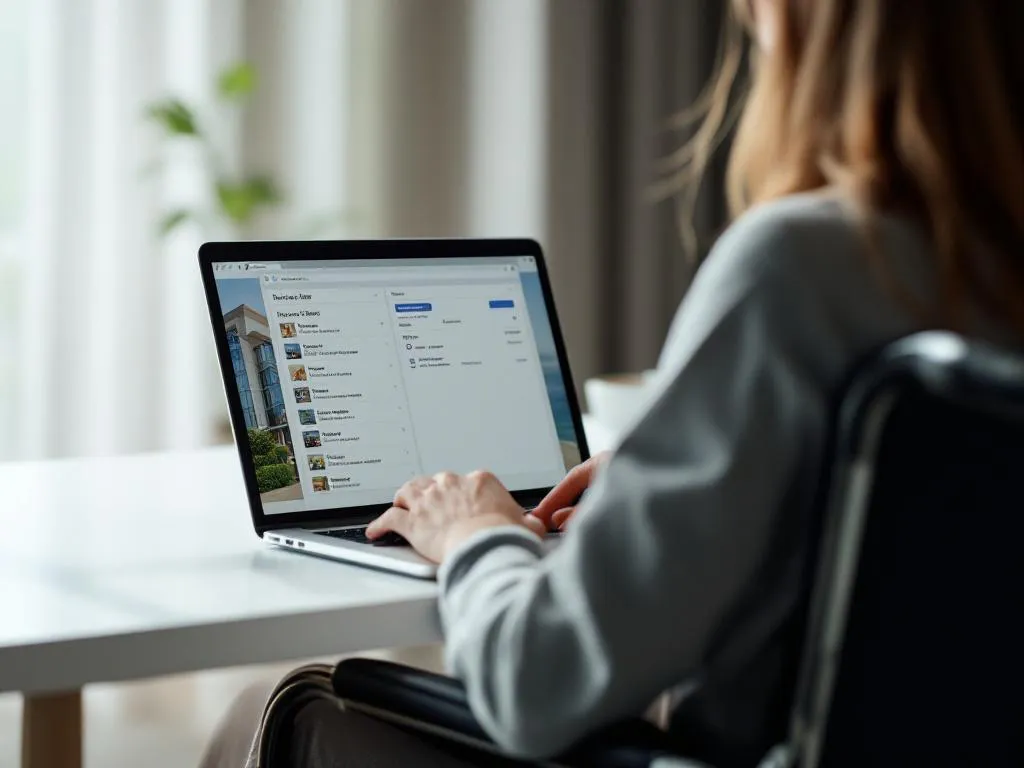
Accessibility needs significantly influence how travellers approach hotel bookings, with specific requirements for mobility, sensory, and cognitive accommodations driving different research and booking behaviours. Travellers with disabilities often book earlier, require detailed accessibility information, and prefer direct communication with hotels to verify accommodations. Understanding these preferences helps hotels better serve this important market segment while improving their hotel marketing efforts and ability to increase occupancy through more inclusive booking processes.
What accessibility features do travellers actually need when booking hotels?
The most commonly requested accessibility features include mobility accommodations such as wheelchair-accessible rooms, roll-in showers, and lowered fixtures, alongside visual and hearing support such as visual alarms, amplified phones, and Braille signage. Travellers with disabilities prioritise specific room features, including wider doorways, accessible bathrooms with grab bars, lowered wardrobes and thermostats, and clear floor space for mobility equipment. These physical modifications directly impact booking decisions because standard hotel photos rarely show these details clearly.
Communication aids represent another important category of accessibility needs. Guests with hearing impairments look for properties offering TTY phones, visual notification devices for doorbells and alarms, and staff trained in basic sign language or written communication protocols. Technology accommodations include accessible websites with screen reader compatibility, online booking systems with keyboard navigation, and mobile apps designed to work with various assistive technologies.
Cognitive accessibility needs often involve clear wayfinding signage, simple check-in processes, and quiet room locations away from high-traffic areas. Many travellers also require service animal accommodations, including designated relief areas and rooms that comfortably accommodate working animals.
How do accessibility needs change the hotel booking process?
Travellers with disabilities typically spend more time researching accommodations and often contact hotels directly to verify accessibility claims before booking. This extended research phase involves checking multiple sources beyond hotel websites, including accessibility review sites, disability travel forums, and recent guest feedback specifically about accessibility features.
The booking timeline is often longer than for typical reservations because accessible rooms have limited inventory. Many travellers book months in advance, particularly for popular destinations or during major events, when accessible accommodations become scarce quickly. This advance booking pattern creates opportunities for hotels to increase occupancy during traditionally slower booking periods.
Direct communication with hotels becomes a standard part of the process rather than an exception. Travellers often call or email properties to discuss specific needs, verify room features, and confirm that accessibility equipment will be available during their stay. This personal interaction provides hotels with valuable insights for improving their services and hotel marketing to accessibility-conscious travellers.
The verification process also includes checking accessibility certifications, reading detailed room descriptions, and sometimes requesting specific photos of accessible features. Many travellers maintain lists of previously verified accessible properties to streamline future bookings.
Why do accessible rooms often get booked up faster than standard rooms?
Accessible rooms represent a much smaller percentage of total hotel inventory—typically just 2-4% of rooms in most properties—while demand from travellers with disabilities and their companions often exceeds this limited supply. This supply-demand imbalance creates faster booking patterns, particularly during peak travel periods and major events.
The advance booking behaviour of accessibility-focused travellers compounds this inventory pressure. Because these guests often book months ahead to secure appropriate accommodations, accessible rooms fill up well before standard rooms, especially in popular destinations or during conferences and conventions.
Event-driven demand creates additional pressure on accessible room availability. Large conferences, trade shows, and conventions attract attendees with disabilities who all need accommodations simultaneously in the same area. This concentrated demand can quickly exhaust the accessible room inventory across multiple properties, making early booking even more important.
Additionally, accessible rooms often appeal to travellers without disabilities who appreciate features like spacious bathrooms, wider doorways, and convenient room layouts. This crossover appeal further reduces availability for those who specifically need these accommodations.
What questions should you ask hotels about accessibility before booking?
Start with specific room feature questions that address your particular needs: bathroom accessibility, including shower type, grab bar locations, and toilet height; doorway widths throughout the room; bed height and surrounding space for mobility equipment; and accessible storage options. Ask for exact measurements rather than general descriptions.
Inquire about common area accessibility, including restaurant seating options, lift availability and size, accessible parking locations and costs, pool and fitness facility access, and emergency evacuation procedures for guests with disabilities. These details significantly impact your overall hotel experience.
Communication and service questions should cover staff training on disability awareness, availability of assistive devices such as shower chairs or visual alert systems, service animal policies and designated relief areas, and accessible transportation options or recommendations near the property.
Request specific information about booking policies, including whether accessible rooms can be held until your arrival, modification and cancellation policies, and procedures for reporting accessibility issues during your stay. Ask whether the hotel can provide photos of the actual accessible room features rather than relying on generic website images.
Always verify recent accessibility updates or renovations, as older information may not reflect current room conditions. Consider asking for the contact information of a staff member familiar with the property’s accessibility features who can answer detailed questions.
How EventHost helps with accessible event accommodation booking
We provide comprehensive accessibility support for event accommodation booking through our integrated platform, which connects event attendees with suitable accessible hotels. Our system addresses the unique challenges faced by travellers with disabilities when booking event-related accommodations.
Our accessibility features include:
- Detailed accessibility filters that help you find hotels with the specific accommodations you need
- Comprehensive property information, including accessibility photos and room feature descriptions
- Direct communication tools for discussing special requirements with hotel partners before booking
- Live map technology showing accessible transport routes and walking distances to event venues
- Priority booking alerts for accessible rooms at event partner hotels
- Dedicated support for accessibility-related booking questions and modifications
Our platform works with hotels that prioritise accessibility and understand the importance of accurate, detailed information for travellers with disabilities. By partnering with events and their official accommodation programmes, we help ensure accessible rooms remain available for attendees who need them most.
Ready to simplify your accessible event accommodation booking? Contact us to learn how our accessibility-focused booking platform can help you find the right accommodations for your next event, or explore our partnership opportunities if you’re an event organiser looking to better serve attendees with accessibility needs.