
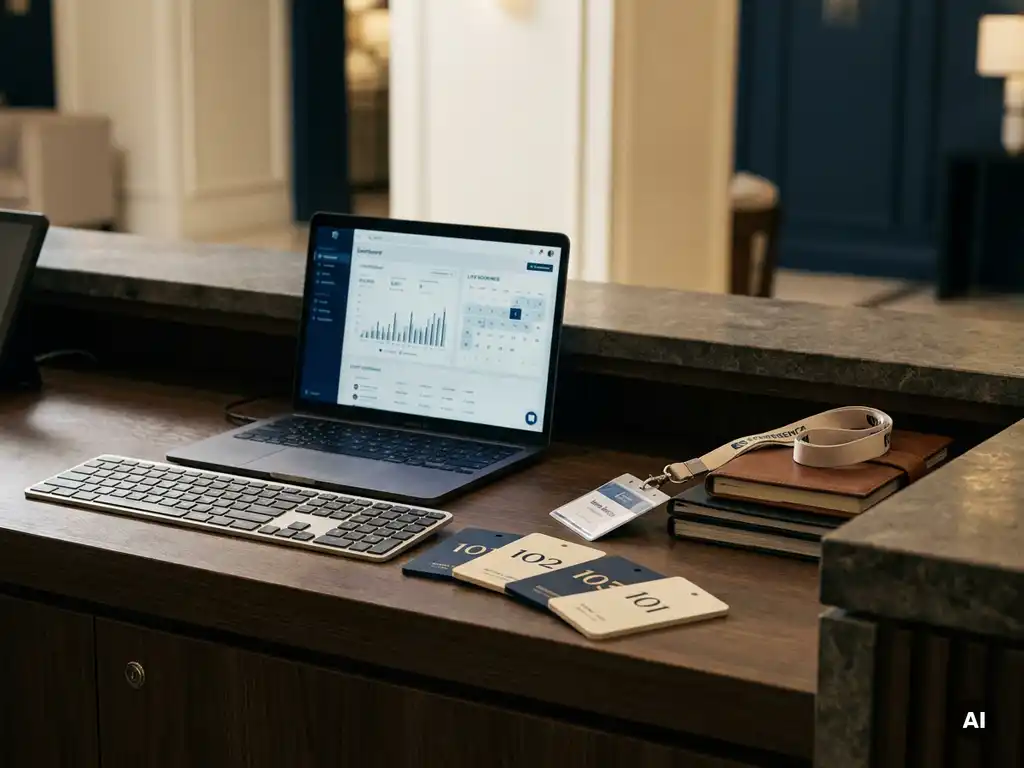
You can track hotel bookings in real time for an event by using a hotel block management system that syncs reservations as they happen, giving you an up-to-date view of room pickup, remaining inventory, and revenue at any moment. This kind of live tracking is especially valuable for event-specific room blocks, where demand fluctuates quickly and decisions about releasing unsold inventory need to happen fast. The sections below break down exactly how the tracking works, what it shows, and how to use the data effectively.
What data does real-time hotel booking tracking actually show?
Real-time hotel booking tracking shows you a live snapshot of how your allocated room block is being consumed. At a minimum, it displays rooms booked versus rooms remaining, booking pace over time, and revenue accrued from confirmed reservations. More advanced systems also surface check-in and check-out patterns, average length of stay, and alerts when pickup reaches predefined thresholds.
For revenue managers, the most actionable data points in event hotel booking tracking are pace and pickup rate. Pace tells you how quickly rooms are being reserved relative to the event date, while pickup rate shows what percentage of your allocated block has been committed. If pickup is slow early in the booking window, you have time to adjust pricing or release inventory to other channels. If it accelerates unexpectedly, you can request additional rooms before they sell out on the open market.
Beyond inventory figures, real-time tracking can also capture guest-level data such as booking source, room type preference, and cancellation patterns. This information feeds directly into post-event performance reviews and helps you make smarter allocation decisions for future events.
How does a hotel room block management system work for events?
A hotel room block management system works by creating a dedicated inventory pool for a specific event, then tracking every reservation made against that pool in real time. When a guest books a room through an official event booking page, the system immediately updates the available count, logs the reservation details, and triggers any configured alerts. This happens without manual intervention, so your team always has an accurate picture without chasing spreadsheets.
The core mechanics of a well-built system include several interconnected functions:
- Inventory allocation: You define how many rooms of each type are available for a given event, separate from your general inventory.
- Real-time sync: Every booking, modification, or cancellation updates the block count instantly.
- Threshold alerts: The system notifies you when pickup hits a set percentage, for example 70% or 90%, so you can act before inventory runs out or before the release date arrives.
- Automatic release: Unsold rooms can be returned to your general inventory on a set date, preventing wasted allocation.
- Reporting dashboard: A centralized view shows all active event blocks, their current status, and revenue generated.
This kind of structure is particularly useful for hotels managing multiple events simultaneously. Rather than tracking each block in a separate system or spreadsheet, everything lives in one place, and you can compare performance across events side by side.
What’s the difference between tracking hotel blocks manually versus using a platform?
The core difference is accuracy and speed. Manual tracking relies on someone updating a spreadsheet or internal document every time a booking comes in, which introduces lag, human error, and blind spots. A dedicated platform updates automatically with every transaction, so the data you see reflects reality at that exact moment rather than the last time someone remembered to check.
Manual processes also create coordination problems. If your front desk, revenue manager, and group sales contact are all working from different versions of the same spreadsheet, decisions get made based on outdated information. You might release inventory you still need, or hold rooms that should have gone back to open availability days ago.
Platform-based hotel room block management solves this by centralizing everything. All stakeholders see the same live data, alerts fire automatically, and reporting is generated without anyone having to compile it. The operational time saved is significant, especially for properties managing five or more event blocks at once. Manual tracking may work for a single small event, but it scales poorly and carries real revenue risk when things get busy.
How do you get access to qualified event demand without spending on marketing?
You get access to qualified event demand by partnering directly with event organizers or joining platforms that place your hotel on official event booking pages. Attendees who book through these channels are already committed to attending the event, which makes them among the highest-intent hotel guests you can reach. Unlike OTA traffic, where you compete on price against every property in the area, event-linked booking pages surface your hotel to people who specifically need accommodation near that venue.
The economics here are worth understanding clearly. OTA commissions typically run between 15% and 25% per booking. When you factor in the cost of competing for visibility on those platforms, the net revenue per room night can be significantly lower than it appears. Event-driven demand channels, particularly those that operate on a commission model only when bookings occur, remove upfront marketing spend entirely and align costs directly with results.
To access this demand without a marketing budget, the practical steps are:
- Identify recurring events near your property, including conferences, trade shows, and sports tournaments that bring consistent attendee volume.
- Reach out to event organizers directly to propose a room block arrangement, or join a platform that manages these relationships on your behalf.
- Make sure your property appears with accurate proximity information, since attendees prioritize hotels close to the venue.
- Allocate inventory specifically for the event rather than relying on general availability, which ensures you can commit to the partnership and track performance accurately.
The key is positioning your hotel within the official event ecosystem rather than waiting for attendees to find you through generic search or OTA browsing.
When should a hotel review its event booking performance data?
A hotel should review event booking performance data at three distinct points: during the booking window, immediately after the event, and as part of a quarterly or annual event strategy review. Each review serves a different purpose and informs different decisions.
During the booking window, check pickup pace at regular intervals, ideally weekly for events more than a month out and daily in the final two weeks before the event date. This is when you can still act, whether that means adjusting pricing, requesting more inventory, or flagging slow pickup to the event organizer so they can promote accommodation booking to their attendees.
The post-event review is where you capture the full picture. Look at total rooms booked versus allocated, average daily rate achieved, cancellation rate, and how booking pace compared to previous similar events. This data feeds directly into how you structure your next block for the same event or comparable ones.
The strategic review, done quarterly or annually, is where patterns become visible. Which event types drive the strongest pickup? Which organizers deliver the most reliable volume? Are midweek events outperforming weekend ones, or vice versa? Reviewing event hotel pickup reports at this level helps you prioritize which partnerships to grow and where to be more selective with inventory allocation.
How EventHost helps you track hotel bookings in real time for events
EventHost is built specifically to solve the tracking and access challenges described throughout this article. When your property joins our Hotel Partnership Network, you get access to a centralized, live hotel block management system where every booking syncs in real time, alerts trigger at your predefined thresholds, and detailed reporting gives you complete visibility into room pickup and revenue at any point during the booking window. Here is what that looks like in practice:
- Live inventory sync: Every reservation, modification, and cancellation updates your block count instantly, no manual entry required.
- Threshold alerts: Set the pickup percentages that matter to you and receive automatic notifications before inventory runs out or release dates arrive.
- Post-event reporting: Receive a full performance summary after each event, including booking data and revenue earned, so you can evaluate results and plan future allocations.
- Zero cost to join: There are no setup fees, no subscription costs, and no marketing spend required. We operate on a commission model, so our incentives are aligned with yours.
- Qualified demand, not generic traffic: Your property appears on official event booking pages, reaching attendees who are already committed to attending and actively looking for nearby accommodation.
If you manage a property near a convention centre, stadium, or conference venue and want to capture event-driven demand without adding operational complexity, we handle guest inquiries, booking modifications, customer service, and payment processing so your team can stay focused on delivering great stays. List your property and start tracking event bookings in real time.