
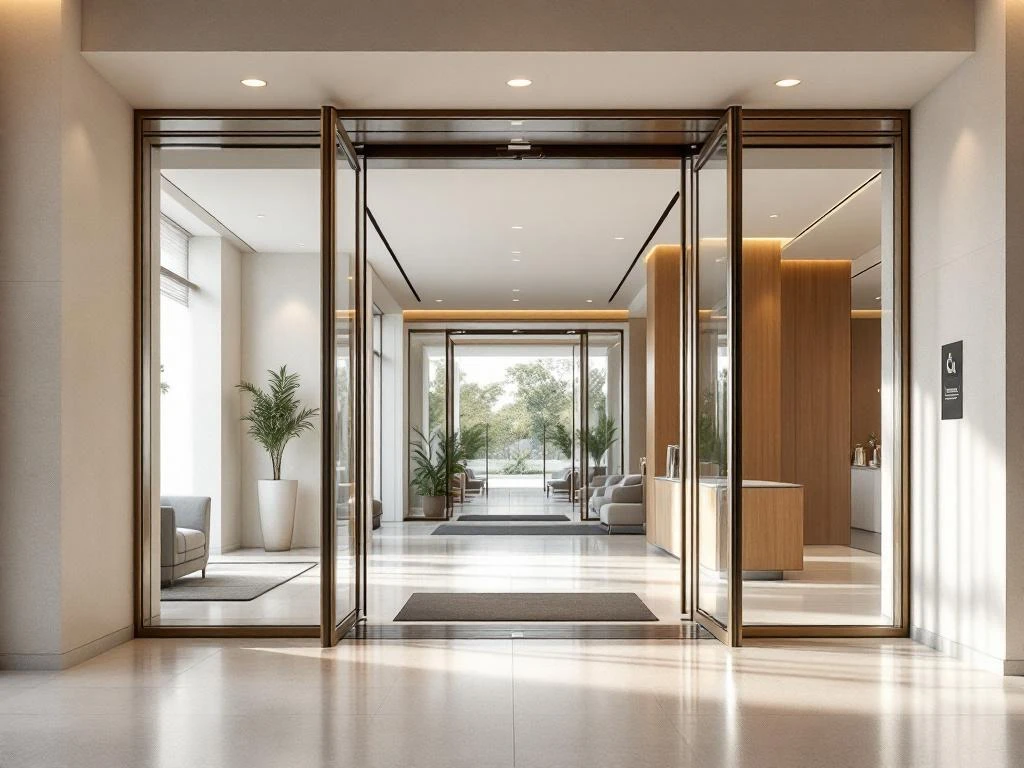
Event hotels must provide accessibility features that comply with legal requirements while ensuring comfortable, inclusive experiences for all guests. ADA-compliant hotels offer accessible entrances, elevators, guest rooms, bathrooms, and public spaces that accommodate guests with disabilities. Beyond legal minimums, truly accessible venues include assistive technology, barrier-free amenities, and staff training to create welcoming environments for event attendees with diverse mobility, sensory, and cognitive needs.
What accessibility features are required by law in event hotels?
Hotels must comply with the Americans with Disabilities Act (ADA), which mandates specific accessibility features event hotels must provide. These include accessible parking spaces, entrance ramps or level entries, elevators serving all floors, and designated accessible guest rooms comprising 2% of total inventory.
Required accessible entrances feature doorways at least 32 inches wide with automatic door operators or easy-to-operate handles. Pathways must be at least 36 inches wide with firm, stable surfaces and maximum slopes of 1:20. Hotels need accessible routes connecting parking areas, entrances, guest rooms, and all public facilities.
Public spaces require accessible restrooms with proper clearances, grab bars, and accessible fixtures. Front desk counters must include lowered sections or portable writing surfaces. Meeting rooms need assistive listening systems, accessible seating areas, and clear sightlines to presentation areas.
Guest room requirements include accessible bathrooms with roll-in showers or accessible tubs, grab bars, and adequate turning space. Visual notification devices for doorbells, telephones, and fire alarms are mandatory in accessible rooms, along with accessible light switches, thermostats, and electrical outlets positioned within reach ranges.
Which room features make hotel accommodations truly accessible?
Accessible hotel accommodations go beyond basic compliance to create comfortable, functional spaces for guests with disabilities. Roll-in showers with fold-down seats, hand-held showerheads, and grab bars positioned at multiple heights accommodate various mobility needs and preferences.
Bathroom modifications include lowered sinks with knee clearance, accessible mirrors positioned for seated users, and toilet paper dispensers within easy reach. Lever-style door handles, rocker light switches, and accessible closet rods ensure independence throughout the room.
Furniture arrangements provide clear pathways with adequate turning space for wheelchairs and mobility devices. Beds positioned at accessible heights with space underneath for wheelchair footrests improve transfer ease. Accessible desks and seating areas accommodate guests who use wheelchairs or have other mobility considerations.
Lighting considerations include multiple light sources to reduce shadows, easily accessible switches, and adequate illumination for guests with visual impairments. Assistive technology integration encompasses visual notification devices, amplified telephones, and accessible television controls with closed-captioning capabilities.
How do accessible hotel amenities impact event attendee experience?
Accessible amenities significantly enhance event experiences by ensuring all attendees can participate fully in conference activities and networking opportunities. Disability-friendly event venues create inclusive environments where accessibility supports rather than limits engagement and professional connections.
Accessible dining areas feature varied seating heights, removable chairs for wheelchair users, and accessible buffet stations with lowered serving areas. Clear pathways between tables and accessible restroom locations nearby ensure comfortable dining experiences for all guests.
Meeting spaces with assistive listening systems, accessible seating areas, and proper lighting benefit attendees with hearing or visual impairments. Accessible presentation equipment, including microphones and visual aids, ensures information reaches all participants effectively.
Fitness facilities with accessible equipment, pool lifts, and accessible changing areas allow all guests to maintain wellness routines during events. Common areas designed with varied seating options, accessible charging stations, and clear wayfinding support networking and relaxation needs.
These thoughtful amenities demonstrate commitment to inclusion while creating positive experiences that encourage return visits and recommendations within professional networks.
What technology solutions help hotels serve guests with disabilities?
Modern assistive technologies transform hotel accessibility by providing communication aids, navigation support, and enhanced independence for guests with disabilities. Hotel accessibility requirements increasingly include digital solutions that complement physical accommodations and improve service delivery.
Communication aids include video relay services for deaf guests, text-to-speech software, and multilingual accessibility apps. Mobile accessibility features encompass voice-activated room controls, smartphone-based door locks, and apps providing audio descriptions of hotel layouts and amenities.
Digital wayfinding systems with audio guidance help guests with visual impairments navigate independently. QR codes linking to accessible menus, event schedules, and hotel information ensure information access regardless of format preferences or assistive technology needs.
Smart room technologies allow voice- or app-based control of lighting, temperature, and entertainment systems. Emergency communication systems include visual alerts, vibrating devices, and multiple notification methods, ensuring safety information reaches all guests effectively.
Staff communication tools enable quick access to interpretation services, accessibility equipment, and specialized assistance, improving response times and service quality for guests with diverse needs.
How can event organizers evaluate hotel accessibility before booking?
Event organizers should conduct thorough accessibility assessments using structured evaluation processes and detailed questioning to ensure venues meet attendee needs. Event accessibility standards require proactive planning and verification rather than assumptions about compliance or capabilities.
Site visits allow firsthand evaluation of accessible routes, room features, and public spaces. Test pathways from parking to meeting rooms, measure doorway widths, and assess bathroom accessibility. Check elevator capacity and location relative to accessible rooms and event spaces.
Ask specific questions about accessible room inventory, assistive listening equipment availability, and staff accessibility training. Request detailed information about accessible parking quantities, shuttle services with wheelchair lifts, and emergency evacuation procedures for guests with disabilities.
Review accessibility policies, including service animal accommodations, accessible transportation arrangements, and procedures for requesting additional accessibility equipment. Verify communication accessibility options such as sign language interpretation coordination and accessible-format materials.
Document accessibility features and create detailed accessibility information for event registration and attendee planning. This preparation ensures smooth experiences and demonstrates commitment to inclusive event planning.
How EventHost helps with accessible event accommodations
We connect event organizers with accessibility-focused hotels through our comprehensive booking platform, ensuring inclusive event planning that accommodates all attendees. Our system streamlines the process of finding and booking barrier-free event accommodations while maintaining complete transparency about accessibility features.
Our platform provides:
- Advanced filtering options specifically for accessible rooms and disability-friendly amenities
- Detailed accessibility information for each hotel partner, including room features and public space accommodations
- Direct communication channels with hotels to verify specific accessibility needs and arrangements
- Seamless booking experiences that accommodate special requirements and assistive technology needs
- Real-time availability tracking for accessible accommodations near event venues
Ready to ensure your event accommodations welcome all attendees? Contact EventHost today to discover how our accessible booking solutions create inclusive experiences that support your event’s success and demonstrate your commitment to accessibility.