
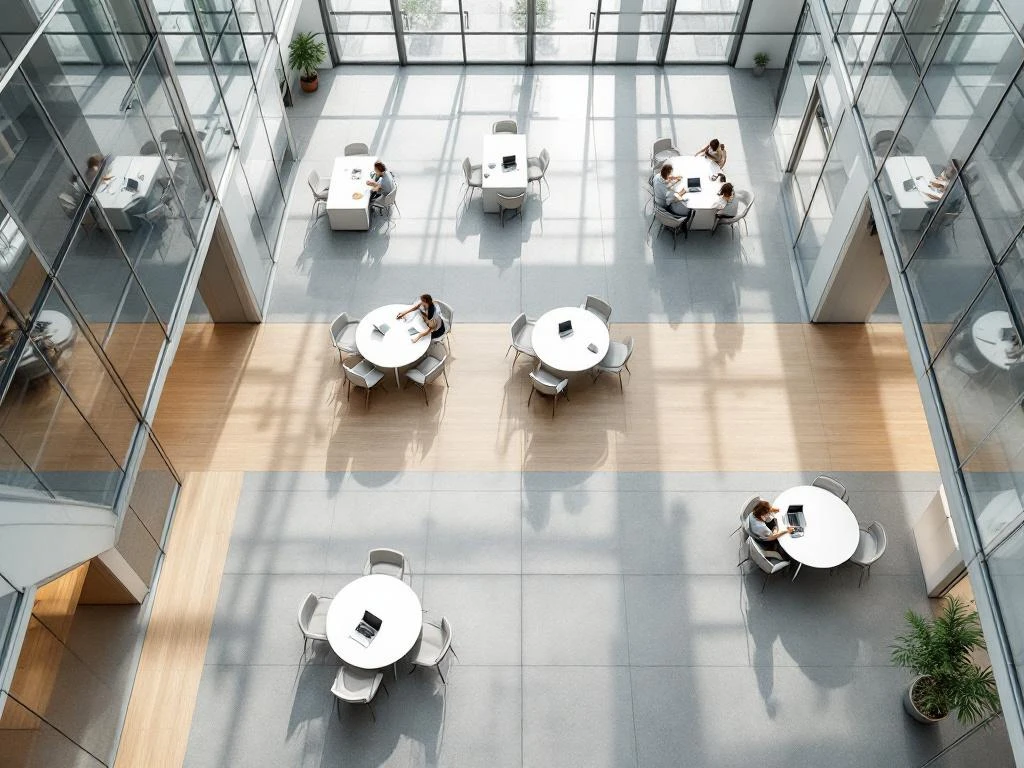
A breakout room is a smaller meeting space designed for intimate group discussions, workshops, and specialized sessions during larger events. Most events need one breakout room for every 50-100 attendees, though this varies based on your agenda and session types. Proper breakout room planning improves attendee engagement and creates valuable networking opportunities.
What exactly is a breakout room and why do events use them?
A breakout room is a separate, smaller venue space used alongside your main event area for focused group activities. These rooms typically accommodate 10-50 people, compared to main auditoriums that might hold hundreds or thousands.
Event organizers use breakout rooms to create more interactive experiences. While your main stage handles keynotes and large presentations, breakout rooms host workshops, panel discussions, networking sessions, and skill-building activities. This setup allows attendees to dive deeper into specific topics that interest them most.
The real value comes from enhanced engagement. In smaller groups, attendees participate more actively, ask questions, and connect with like-minded peers. You’ll often find that some of the most valuable learning happens in these intimate settings rather than in large auditoriums.
Conference breakout sessions also help you cater to different experience levels and interests. While beginners attend “Introduction to Digital Marketing” in one room, advanced practitioners can explore “Advanced Analytics Strategies” in another.
How do you calculate how many breakout rooms you actually need?
Start with your total attendee count and divide by your target breakout session size. For sessions of 20-30 people, an event with 200 attendees needs 7-10 breakout rooms if everyone participates simultaneously.
However, real event room allocation requires considering several factors:
- Session overlap – Not all breakout sessions run at the same time
- Attendance patterns – Typically 60-80% of attendees join breakout sessions
- Popular topic concentration – Some sessions attract larger crowds
- Buffer capacity – Always plan for 10-20% more space than calculated
Meeting room requirements also depend on your agenda structure. If you’re running three rounds of breakout sessions with four options each, you need four rooms minimum. But if sessions have different capacities or some run longer than others, adjust accordingly.
A practical formula: (Expected attendees × 0.7) ÷ Average room capacity = Base room count. Then add 1-2 rooms for flexibility and unexpected popularity of certain topics.
What’s the difference between breakout rooms and other event spaces?
Breakout rooms are intimate spaces for 10-50 people, while main auditoriums accommodate hundreds. Exhibition halls focus on displays and vendor booths, and networking areas prioritize mingling over structured content.
Here’s how different event spaces compare:
Main auditoriums work best for keynotes, major announcements, and presentations where everyone needs the same information. They feature theatre-style seating, large screens, and professional sound systems.
Exhibition halls showcase products and services through booths and displays. These open spaces encourage browsing and casual conversations between attendees and exhibitors.
Networking areas like lounges or reception spaces facilitate informal connections. They typically feature comfortable seating arrangements, refreshment stations, and ambient lighting.
Event breakout rooms bridge the gap between formal presentations and casual networking. They offer flexible seating arrangements, smaller screens or flip charts, and intimate acoustics that support group discussions without microphones.
The technology needs differ too. While main stages require sophisticated AV setups, breakout rooms often need just basic projection capabilities and reliable Wi-Fi for interactive sessions.
What should you look for when choosing breakout room venues?
Look for venues offering flexible room sizes, reliable technology infrastructure, and convenient proximity to your main event space. The best breakout room venues provide multiple layout options and can accommodate different group sizes throughout your event.
Room layout flexibility matters more than you might think. You’ll want spaces that work for both workshop-style activities with round tables and presentation formats with classroom seating. Moveable furniture and adequate floor space make this possible.
Technology infrastructure should include:
- Reliable Wi-Fi that handles multiple devices per room
- Projection capabilities or large displays
- Adequate power outlets for laptops and devices
- Good acoustics that don’t require microphones
- Climate control for comfortable extended sessions
Location within the venue affects attendance and energy levels. Breakout room planning works best when rooms are easily accessible from main areas without long walks or confusing navigation.
Consider practical logistics like registration desk visibility, restroom proximity, and catering access if you’re serving refreshments. Natural lighting and windows can boost the atmosphere, but ensure you can control light levels for presentations.
How EventHost simplifies breakout room planning and booking
We help event organizers coordinate accommodation for complex events with multiple breakout sessions, ensuring your attendees can easily book nearby hotels and navigate between venues efficiently.
Our platform addresses the unique challenges of events with extensive breakout room programming:
- Proximity mapping – Our live map technology shows real walking distances from hotels to your venue, helping attendees choose accommodation based on convenience
- Venue-specific recommendations – We prioritize hotels closest to your breakout room locations, reducing travel time between sessions
- Integrated booking experience – Attendees can book accommodation directly through your event platform while reviewing breakout session schedules
- Real-time availability – Hotel inventory updates automatically, ensuring room availability aligns with your event dates and breakout session timing
When your event spans multiple days with intensive breakout programming, attendee accommodation becomes crucial for participation rates. Our white-label solution integrates seamlessly with your event website, letting you earn commission on every booking while providing attendees with convenient, venue-appropriate lodging options.
Ready to simplify accommodation planning for your next breakout-heavy event? Contact us to see how our platform can enhance your attendee experience while generating additional revenue.